Minimalist Strategies to Prioritize Tasks and Avoid Overcommitment

The Importance of Minimalist Strategies in Modern Life
In today’s fast-paced world, it’s easy to become overwhelmed by the sheer volume of tasks demanding our attention. Many individuals find themselves caught in the incessant cycle of juggling multiple commitments, leading to increased stress and potential burnout. Work, family, social obligations, and personal aspirations often vie for priority, leaving little room for reflection and self-care. To counter this increasingly common predicament, embracing minimalist strategies can be an effective method to streamline priorities and enhance productivity.
Implementing minimalist strategies begins with a clear understanding of your core values and objectives. Identify Core Goals that resonate with your long-term aspirations. For example, if your ultimate ambition is to achieve a healthy work-life balance, you might find that decluttering your schedule by eliminating non-essential commitments allows you to focus on what truly matters—be it family time, personal projects, or physical wellness.
Another crucial component of managing your commitments is to set boundaries. Learning to say no is an essential skill that can protect your time and mental health. Consider a workplace scenario where you’re asked to handle additional projects while already overwhelmed with your current tasks. Politely declining the extra responsibility allows you to maintain the quality of your work and prevents your plate from overflowing. This practice not only leads to personal satisfaction but also cultivates respect among colleagues for your professional boundaries.
Utilizing the Eisenhower Matrix is another practical method to enhance productivity. This technique involves categorizing tasks into four quadrants based on urgency and importance. For instance, a deadline-driven report might fall into the ‘urgent and important’ box, while routine emails could be classified as ‘not urgent and not important.’ By focusing primarily on tasks that require immediate attention, you can allocate your energy effectively and avoid getting sidetracked by less critical activities.
By implementing these minimalist strategies, you have the power to reduce clutter in both your workspace and daily schedule. Not only do these techniques aid in managing tasks, but they also promote a healthier work-life balance essential for overall well-being. The process of prioritizing effectively empowers you to make informed choices about how you spend your precious time, ensuring that each commitment is both meaningful and manageable.
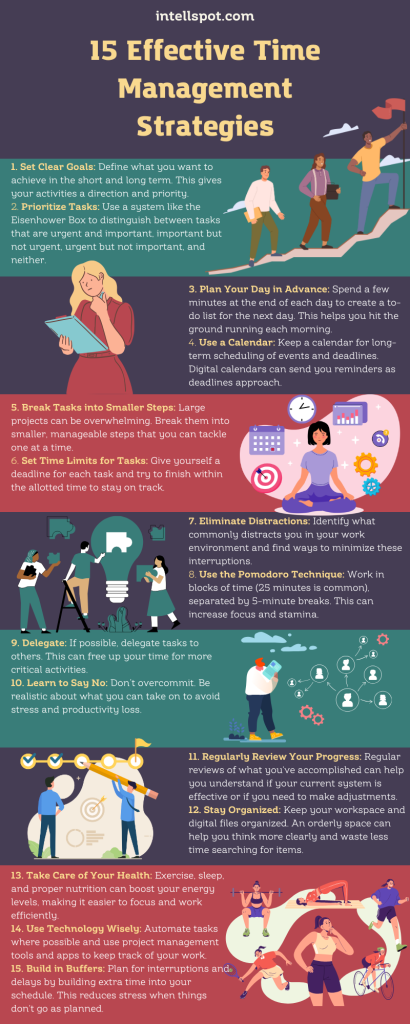
In a society where busy often equates to productive, shifting focus towards minimalism can profoundly transform your routine and mindset. Are you ready to delve deeper into how these strategies can reshape your approach to daily life and responsibilities?
DIVE DEEPER: Click here to discover how minimalism enhances your time management
Defining Your Priorities: A Path to Clarity
At the heart of any successful minimalist strategy lies the ability to define priorities with precision. To effectively manage your commitments, start by creating a comprehensive list of all the tasks currently in your purview. This includes work duties, social engagements, household chores, and personal goals. However, simply listing tasks is not enough; you must assess which ones truly align with your core values and objectives.
Begin the prioritization process by categorizing tasks into three broad categories:
- Essential Tasks: These are non-negotiable responsibilities that directly contribute to your long-term goals. For instance, completing projects for work that align with your career aspirations fits this category.
- Optional Tasks: While not critical, these tasks can enrich your life. Volunteering at a local community center or attending a networking event could fall into this group, depending on your interests and availability.
- Non-Essential Tasks: Identify commitments that drain your time and energy without providing any substantial return. This could include excessive social media browsing or attending meetings that lack a clear agenda.
By applying this triage approach, you can gain clarity on what deserves your attention and what can be set aside. As a useful tool, the 80/20 rule (also known as the Pareto Principle) asserts that roughly 80% of your results come from 20% of your efforts. In practice, this means recognizing the small number of tasks that produce the most significant outcomes. For example, focusing on a few key projects at work may yield greater productivity than spreading yourself thinner across numerous small assignments.
Next, it’s crucial to incorporate time-blocking techniques into your weekly schedule. This strategy involves allocating specific blocks of time for dedicated tasks, thus cultivating a sense of urgency while minimizing distractions. By reserving uninterrupted time for your essential tasks, such as working on a project or studying, you create a proactive environment that fosters focus and efficiency.
Additionally, it’s vital to reflect on your progress regularly. Schedule a recurring time—perhaps weekly or monthly—to evaluate your commitments and how well they align with your priorities. This self-assessment allows for adjustments where needed and helps you stay committed to your minimalist approach. By continuously refining your priorities, you can remain agile and avoid the pitfalls of overcommitment.
Ultimately, the essence of implementing minimalist strategies to prioritize tasks hinges on understanding what is vital to your well-being and productivity. This delicate balance not only facilitates a more focused approach but also liberates you from the constraints of unnecessary obligations. Embracing this philosophy can pave the way for a more fulfilling and efficient life, tailored to your personal and professional aspirations.
| Advantage | Description |
|---|---|
| Increased Focus | Minimalism in task management promotes deeper focus by reducing distractions and clutter in your workload. |
| Better Time Management | Utilizing prioritization techniques allows you to allocate time effectively, enabling you to accomplish more with less effort. |
| Reduced Stress Levels | Focusing on essential tasks lessens feelings of overwhelm and helps maintain mental clarity. |
| Enhanced Productivity | By eliminating unnecessary tasks, your energy and time are channeled into high-impact activities, yielding better results. |
Minimalist strategies invite an essential shift in mindset. For instance, embracing the 80/20 rule can drastically change how one perceives workload and priorities. By identifying the critical few tasks that will yield the majority of results, one can minimize time spent on trivial pursuits. This not only spurs productivity but also creates a genuine sense of accomplishment. Additionally, setting achievable goals that include breaks ensures sustained motivation without overcommitment. The intersection of minimalism and task management may also improve overall life satisfaction, as individuals become more attuned to what truly matters, fostering a sense of balance. Explore these strategies further to discover how they can help create a more fulfilling and manageable workflow.
DISCOVER MORE: Click here to unlock the power of minimalism for better organization.
Streamlining Decision-Making: The Power of Saying No
One of the most profound yet challenging aspects of adopting minimalist strategies for task prioritization is the art of saying no. In a society that often equates busyness with productivity and success, declining additional commitments is a skill that many struggle to master. However, understanding the limits of your time and energy is essential in avoiding overcommitment and maintaining focus on what truly matters.
When faced with a new project or invitation, consider employing the 10-10-10 Rule. This method involves asking yourself how you will feel about the decision in 10 minutes, 10 months, and 10 years. This reflection can provide valuable insight into whether the commitment aligns with your priorities or simply adds more stress to your life. If it doesn’t serve your goals or well-being, don’t hesitate to decline without guilt; remember that your time is finite, and every “yes” takes away from the psychical time and energy available for your essential tasks.
Moreover, consider the impact of commitment creep, where small, seemingly innocuous commitments accumulate over time, leading to overwhelm. Keeping track of your commitments through a dedicated planner or digital tool can help you visually assess your workload, making it easier to recognize when you’ve taken on too much. By regularly revisiting your list, you can identify non-essential tasks that can be postponed or delegated, creating breathing room in your schedule.
Creating a Task Hierarchy: Methods to Rank Your Work
Another powerful strategy in minimalist task prioritization is creating a task hierarchy. This method assists in visually representing your workload based on urgency and importance, allowing for an organized approach to daily and weekly responsibilities. A popular framework for this is the Eisenhower Matrix, which classifies tasks into four quadrants:
- Urgent and Important: Tasks that require immediate attention and have significant consequences.
- Important but Not Urgent: Strategic tasks that can enhance long-term goals, allowing for proactive planning.
- Urgent but Not Important: Tasks that may require quick action but do not contribute to your core objectives.
- Neither Urgent nor Important: Activities that should be eliminated or delegated, often time wasters.
By categorizing your tasks based on this matrix, you can develop a clearer picture of your responsibilities. Focus your energy primarily on the urgent and important quadrant, and allocate time for those important but non-urgent tasks that move you toward your larger goals. Over time, you’ll find that this practice not only enhances your productivity but also keeps you committed to a minimalist lifestyle, free from the pressures of overcommitment.
Leveraging Technology: Tools for Minimalist Task Management
In our digital age, leveraging technology can significantly enhance your ability to prioritize tasks effectively while reducing mental clutter. Numerous task management apps, such as Trello or Todoist, can offer visual cues and reminders to help you stay on track. These applications allow you to segment tasks into categories, deadlines, and priority levels, making it easier to pinpoint what requires immediate focus. Calendar apps can also play a crucial role in limiting overcommitment by enabling users to block available time slots for essential activities.
Additionally, mindfulness and self-care apps can assist in managing stress levels associated with excessive obligations. Incorporating short mindfulness breaks can keep you grounded and help refocus your priorities, thus enhancing overall productivity and clarity about what to tackle next. This approach fosters not only efficiency but also a healthy relationship with your commitments.
Through these strategies—embracing the power of no, instituting a task hierarchy, and utilizing technology—you can significantly streamline your decision-making process. With practice, you will find that adopting these minimalist approaches leads to a more intentional and balanced life, focused on what you truly value.
DISCOVER MORE: Click here to unlock the benefits of a clutter-free lifestyle
Conclusion: Embracing Minimalism for Sustainable Productivity
In conclusion, adopting minimalist strategies to prioritize tasks and avoid overcommitment can radically transform your approach to productivity and personal well-being. By mastering the art of saying no, you lay the groundwork for a more intentional life focused on what truly resonates with your values and goals. The 10-10-10 Rule empowers you to make decisions backed by thoughtful reflection, steering you clear of commitments that do not serve your long-term aspirations.
Introducing a task hierarchy through frameworks like the Eisenhower Matrix provides clarity in distinguishing between urgency and importance, ensuring your energy is channeled toward tasks that drive meaningful outcomes. Additionally, leveraging technology with task management and mindfulness apps can dramatically reduce mental clutter, keeping you organized and centered as you navigate your responsibilities. This combination of prioritization techniques and self-care not only enhances productivity but promotes a balanced lifestyle, allowing for growth while mitigating the pitfalls of overwhelm.
As you reflect on your own commitments, consider how these minimalist strategies can lead to more space for creativity, leisure, and fulfillment. The journey toward a well-prioritized life that values quality over quantity is an ongoing process, but with regular adjustments and a mindful approach, you can cultivate a sustainable path to success. Explore these strategies further and take the first step towards a more purposeful and decluttered life.