The Role of Art in Building Inclusive Communities: Artistic Expression as a Tool for Connection
Art as a Bridge to Inclusive Communities
Art holds a unique position in society, often serving as a powerful medium for communication and connection. It transcends language barriers, enabling individuals to express feelings and ideas that might otherwise remain unspoken. In a diverse nation like the United States, it plays a crucial role in fostering inclusive communities. The multifaceted nature of artistic expression allows it to connect people from various backgrounds, reinforcing the value of diversity and shared experiences.
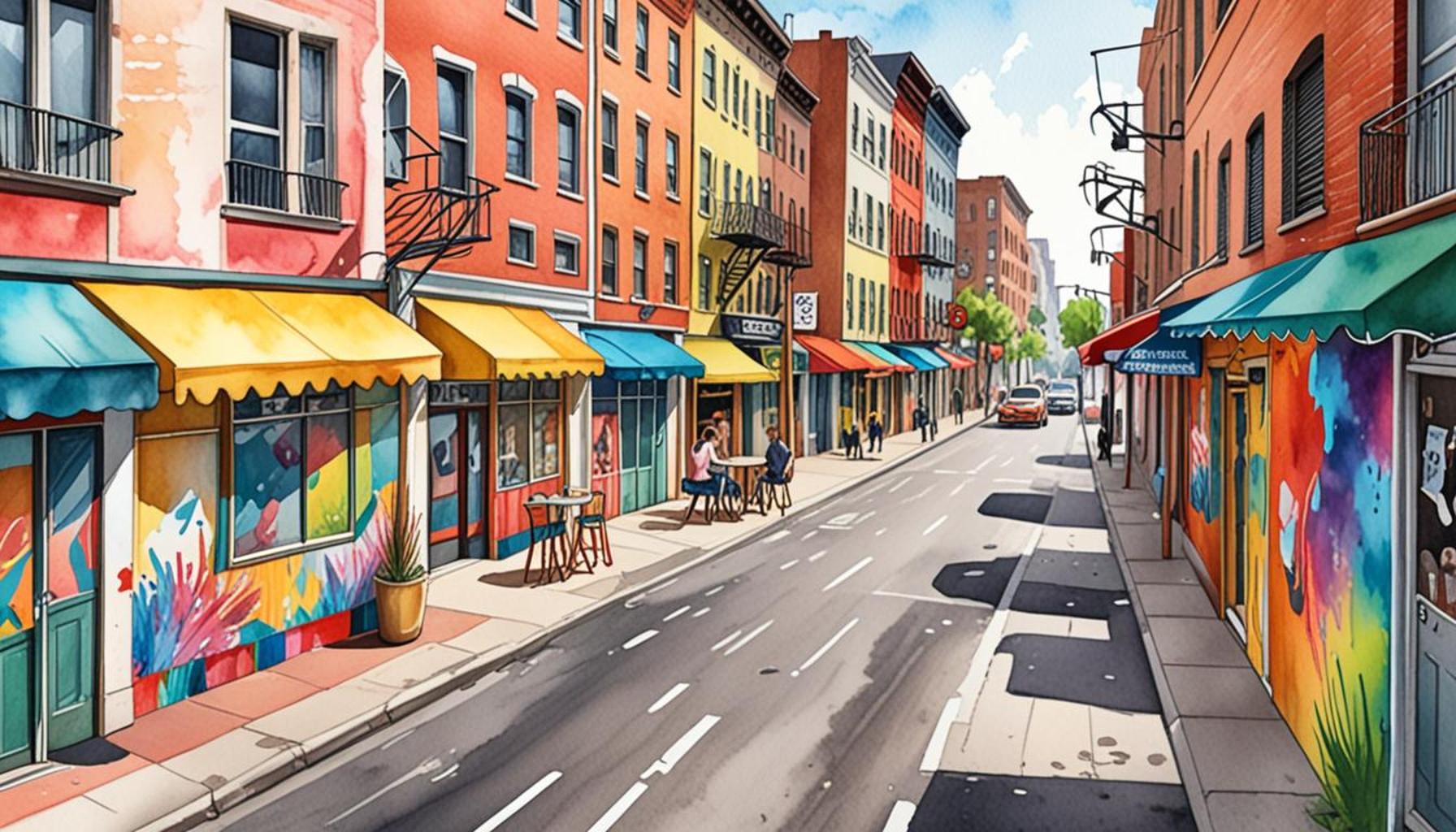
One of the most vibrant examples of art fostering community connection is through public murals. These large-scale artworks often adorn city walls and can celebrate the rich cultural heritage of a neighborhood. For example, in Philadelphia, the Mural Arts Program has transformed the city into a canvas that tells the stories of its communities, featuring murals that depict historical figures, cultural icons, and local narratives. Such public displays not only beautify urban spaces but also invite discussions about identity and community pride.
Likewise, community theater productions serve as another effective form of artistic expression that reflects local stories. Across the United States, groups like the New York Theatre Workshop bring together individuals from various backgrounds to share their experiences through performances. These productions often touch on social issues, providing a platform for voices that have historically been marginalized. Audiences not only enjoy entertainment but also gain insight into perspectives and realities that differ from their own.
Furthermore, interactive workshops geared towards artistic collaboration can significantly encourage dialogue among different groups. By engaging participants in collaborative art-making, these workshops serve as a melting pot where creativity flourishes, and friendships are formed. Organizations like Art in Action facilitate such programs, fostering an environment where participants, regardless of their diverse backgrounds, can co-create and express themselves freely.
Art has the potential to be a catalyst for change, emphasizing several key aspects that underpin community empowerment. It can empower marginalized voices, creating safe spaces where individuals feel respected and heard. Initiatives that advocate for social justice can also inspire community engagement, allowing residents to tackle pressing issues collaboratively.
As we explore the role of art in building inclusive communities, it invites us to consider how artistic initiatives can help bridge gaps and foster connections. By examining successful case studies and artistic projects, such as the storytelling efforts in community theaters or the muralist movements in urban areas, we can better understand the profound impact of artistic expression on community relationships. These elements are instrumental in drawing together individuals and fostering a sense of belonging. Through art, walls can transform into doorways, and divisions can turn into opportunities for understanding and unity.
DISCOVER MORE: Click here to delve deeper
Art as a Catalyst for Community Engagement
Artistic expression serves as a vital tool in bridging cultural, social, and economic divides. By creating opportunities for engagement, art fosters connections among individuals who might not ordinarily interact. This engagement is particularly evident in grassroots movements where art becomes a symbol of hope and resilience for underrepresented communities. By using art as a form of resistance and expression, marginalized groups can communicate their experiences and assert their identities, inviting broader participation in the societal dialogue.
Moreover, initiatives that leverage art to encourage community gathering have seen remarkable success in various urban settings. Festivals, for example, are a vibrant means of celebrating local culture and diversity. The National Folk Festival, held annually in cities across the U.S., showcases traditional arts, crafts, and performances from cultures that contribute to the American tapestry. Such events not only entertain but also educate audiences about the different histories and practices that make up the community, thus fostering inclusivity.
Public art installations also play a critical role in forging connections. These installations invite community members to interact with art in their daily lives, sparking conversations about the shared spaces they inhabit. Notable examples include the “LOVE” sculpture in Philadelphia, which has become a communal gathering point, symbolizing both love and resilience. Through such installations, individuals are encouraged to reflect on their identities and experiences, forging connections with others through shared meanings.
In addition to large-scale projects, smaller community-based art initiatives are equally impactful. Consider the role of art therapy programs, which provide a safe space for individuals facing mental health challenges or trauma. Programs like the Art for Recovery initiative in California demonstrate how creativity can be a healing process, allowing participants to articulate their feelings and experiences. These workshops often include members from diverse backgrounds, fostering empathy and understanding among participants who may otherwise feel isolated or disconnected from each other.
To capture the transformative power of art in building inclusive communities, it’s essential to understand the specific attributes of successful artistic initiatives. Here are key factors that contribute to the effectiveness of art in promoting inclusivity:
- Accessibility: Art programs should be open and welcoming to everyone, regardless of economic status or background.
- Collaboration: Engaging different community members and stakeholders fosters a sense of ownership and shared purpose.
- Diversity of Expression: Encouraging a variety of artistic forms and styles helps represent the unique voices within the community.
- Education and Awareness: Incorporating educational components can deepen understanding and appreciation for diverse cultures and experiences.
As we delve deeper into the potential of art as a vehicle for social change, it becomes clear that the capabilities of artistic expression extend far beyond aesthetics. Art possesses the unique ability to encourage dialogue, heal wounds, and nurture empathy. Through thoughtful initiatives, communities can harness this potential, creating spaces where everyone feels valued and connected.
| Advantages | Significance |
|---|---|
| Strengthening Community Bonds | Art fosters a shared sense of belonging, bringing diverse groups together through collaborative projects. |
| Encouraging Dialogue | Artistic expression opens avenues for communication, allowing individuals to share their stories, struggles, and triumphs. |
Art plays a pivotal role in fostering connectivity within communities, leveraging the power of creativity to bridge gaps and dissolve barriers. When individuals engage in communal art projects, they often find common ground despite differences in background, culture, or ideology. This collective participation not only cultivates a sense of pride but also strengthens the fabric of inclusivity.For instance, public art installations can spark conversations among viewers, encouraging them to reflect on their own experiences and those of others. The diversity of perspectives shared through artistic mediums can lead to richer, more nuanced community dialogues that promote understanding and empathy. Moreover, these interactions often catalyze further engagement, inspiring community members to become advocates for change using art as their voice.Ultimately, as communities harness artistic expression as a tool for connection, they lay the groundwork for a more inclusive and harmonious society. Engaging in the arts not only enriches the individual’s experience but profoundly transforms collective experiences, resulting in communities that thrive on diversity and unity.
DISCOVER MORE: Click here for creative ideas
Art as a Means of Cultural Dialogue
Art has the unique ability to serve as a medium for cultural dialogue, allowing individuals from diverse backgrounds to engage with and learn from one another. This dialogue often transcends verbal communication, utilizing visual, auditory, and performative elements to convey complex emotions and ideas. A poignant example can be found in the work of muralist Juan Carlos Pinto, whose murals reflect the complexities of the Latinx experience. By commissioning local artists to collaborate on these murals, communities not only beautify their neighborhoods but also create a dialogue around identity, migration, and belonging.
Such collaborative art projects are essential in fostering empathy and understanding. When individuals contribute their stories to a communal artwork, it generates a shared sense of purpose. An excellent illustration of this dynamic is the “Before I Die” wall, where community members are invited to write their aspirations publicly. This interactive installation has been implemented in multiple cities across the United States, allowing diverse participants to connect through their dreams and desires, thus fostering a sense of solidarity that transcends their individual circumstances.
Art programs that focus specifically on intergenerational collaboration further amplify the conversation around inclusivity. For instance, programs like “Creative Aging” empower older adults to share their stories through art, often in partnership with younger artists. By bridging the generational gap, these initiatives provide mutual learning opportunities, allowing younger people to appreciate the wisdom of their elders while offering fresh perspectives to older generations. The outcome is a vibrant exchange of ideas that strengthens community bonds and nurtures inclusivity.
Art education also plays a crucial role in cultivating an inclusive mindset among youth. Schools that incorporate diverse artistic curricula equip students with the tools to express themselves while also learning about varied cultural contexts. One remarkable initiative, “The Art of Culture”, directly integrates art into the educational framework of public schools in accordance with their communities’ heritage. By learning through the arts, students not only enhance their creative skills but also develop a more profound respect for the cultural narratives that shape their environments.
Artistic mentorship programs regenerate an essential connection between established artists and emerging talents from underrepresented backgrounds. Through mentorship, seasoned artists pass down their skills while helping mentees express their unique voices—a process that supports both personal and professional growth. The New Museum’s New Inc in New York City serves as a prime example, offering structured resources and guidance to aspiring artists from numerous walks of life, enabling them to navigate the artistic landscape effectively while celebrating their identities.
Supporting and promoting the participation of artists from underrepresented communities enriches the cultural tapestry of any city. By providing grants, workshops, and exhibition opportunities, organizations can ensure that these artists have platforms to share their narratives, unveiling the rich complexities of their realities. When art emerges from diverse lived experiences, it opens gateways to understanding and connection for all members of the community, reinforcing the significance of inclusivity as a foundational element of social cohesion.
DISCOVER MORE: Click here to explore the impact of public art
Conclusion: Art as a Catalyst for Community Unity
In the landscape of today’s increasingly diverse societies, the role of art as a catalyst for inclusivity cannot be overstated. Through its multifaceted expressions, art breaks down barriers and fosters a sense of belonging among individuals from varying backgrounds. Artistic initiatives—from mural projects that reflect community narratives to intergenerational collaborations that bridge age gaps—demonstrate the power of creative endeavors in uniting people while celebrating their unique identities.
As seen through interactive installations like the “Before I Die” wall, art not only beautifies public spaces but also transforms them into arenas for collective dialogue. This engagement invites community members to share their aspirations, catalyzing a movement toward empathy and understanding that is vital in today’s polarized environment. By supporting artists from underrepresented communities and fostering educational programs that embrace diverse artistic practices, society can harness the potential of art to empower voices that may otherwise remain unheard.
In conclusion, as we navigate the complexities of the modern world, art stands as a powerful tool for connection and community-building. Its ability to foster inclusivity and promote dialogue is essential in creating harmonious societies. As we continue to support and celebrate artistic expression, we unlock new pathways for understanding, ultimately nurturing a more connected and compassionate community.