Exploring the Influence of Cultural Perspectives on Clutter and Minimalism
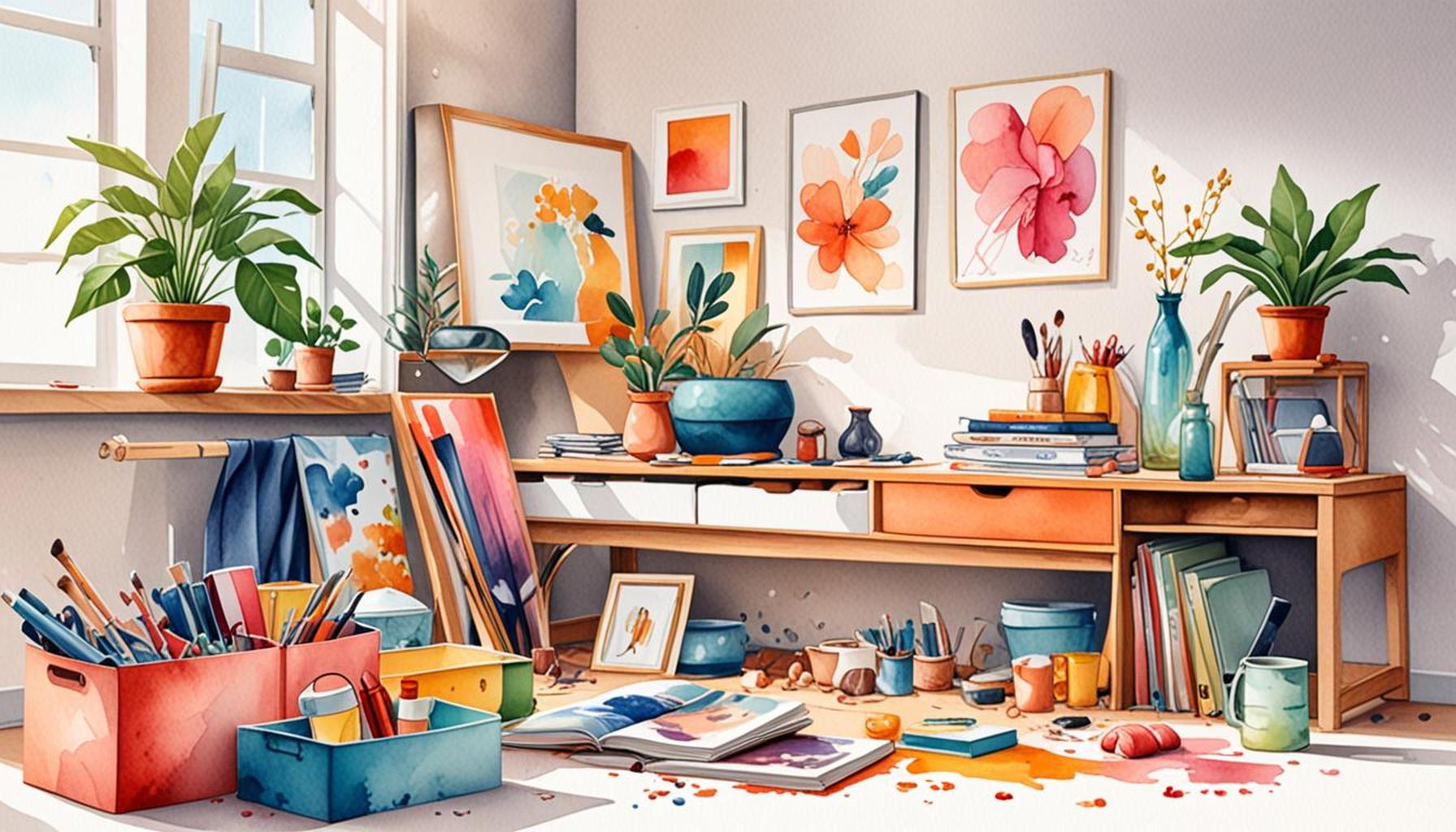
Exploring Cultural Influences on Clutter and Minimalism
The relationship between clutter and minimalism extends far beyond personal preference; it serves as a reflection of cultural values, social norms, and historical contexts. As various societies evolve, their perceptions surrounding ownership and space management also transform, shaping distinct attitudes towards abundance and simplicity. This article illuminates how diverse cultures perceive the ideal balance of these concepts, influencing everyday life.
In the United States: The Consumerist Ideal
In the United States, the pursuit of the American Dream is often entwined with ideals of abundance, where homeownership and the accumulation of material possessions are seen as markers of success. Many individuals perceive a larger home filled with a plethora of belongings as a visual representation of ambition and achievement. This culture of consumerism is exemplified during events like Black Friday, where massive sales encourage shopping sprees. The pervasive idea that “more is better” is ingrained in American society, often leaving individuals feeling burdened by excess.
Japan: The Beauty in Simplicity
Contrarily, in Japan, the wabi-sabi philosophy provides a stark contrast to the consumerist mentality. Wabi-sabi embraces the beauty of imperfection and transience, advocating for a lifestyle that prioritizes simplicity and mindfulness over accumulation. Japanese homes typically feature minimalist designs with a focus on functional furniture and the clever use of space. For instance, traditional tatami rooms are designed to foster tranquility and reflection rather than overcrowding. This minimalistic culture encourages individuals to appreciate what they have, recognizing value in experiences over objects.
Scandinavian Countries: The Balance of Lagom
In countries like Sweden, Denmark, and Norway, the lagom philosophy emphasizes the importance of moderation and balance. This concept influences not only personal belongings but also community living. Scandinavian designs often reflect minimalism, marked by simplicity and functionality, promoting a clutter-free lifestyle. Homes are typically adorned with neutral colors and clean lines, fostering a sense of calm and balance. The lagom approach encourages both individuals and communities to find contentment through moderation, ultimately fostering a healthy relationship with material possessions.
The narratives provided by these diverse cultures highlight an essential aspect of social identity. Whether viewed as excessive, necessary, or simply optional, the interpretation of clutter and minimalism is deeply rooted in cultural context. This exploration uncovers how distinctive cultural dynamics shape the way we collect and organize our belongings, prompting a re-evaluation of our personal and societal values.
As we dive into these varying perspectives, we invite readers to reflect on their own relationships with space, freedom, and status. This investigation not only reveals contrasting ideals about clutter and minimalism but also encourages an appreciation for the cultural influences that shape our everyday lives.
DISCOVER MORE: Click here to enhance your productivity
The Cultural Fabric of Clutter and Minimalism
Understanding the varying perspectives on clutter and minimalism requires a closer examination of cultural underpinnings that shape individual behaviors and beliefs. Each cultural lens through which we view our possessions plays a significant role in how we navigate our living spaces. By investigating countries such as the United States, Japan, and Scandinavian nations, we can uncover profound insights into how these cultural contexts influence our definitions of space, possession, and ultimately, our sense of identity.
Mexico: Community and Clutter
In Mexico, the philosophy surrounding space and possessions often revolves around community and family ties. Nested within vibrant neighborhoods, homes are typically bustling with life and brimming with possessions. Here, the accumulation of items represents shared memories and familial connections. From cherished heirlooms to collections of colorful handicrafts, the presence of clutter is often perceived as a testament to one’s rich cultural heritage. This perspective contrasts sharply with the minimalistic ideal, where spaciousness often equates to freedom. The Mexican approach emphasizes how community life can dictate a more inclusive understanding of domesticity, further binding individuals to their roots.
India: Embracing Organizational Wisdom
In a country like India, where households can be densely populated, the perception of clutter takes on a unique form. Many Indian families practice organizational techniques derived from ancient traditions, ensuring that each item holds a specific place and purpose. For instance, the practice of Vastu Shastra, an ancient Indian science of architecture, informs how spaces should be organized to promote harmony and well-being. Beyond mere aesthetics, clutter is minimized through ritualistic organization, allowing individuals to honor their belongings while maintaining a sense of tranquility. Thus, the Indian approach intertwines spirituality with space management, influencing how individuals interact with their personal environments.
Key Cultural Insights into Clutter and Minimalism
- Ownership vs. Utility: In collectivist cultures, items often symbolize relationships and community bonds, while individualistic societies may prioritize ownership as a marker of success.
- Functionality vs. Aesthetics: Many cultures emphasize practical uses of items, with minimalism celebrated for its efficiency, whereas others may lean towards displaying beauty, regardless of functionality.
- Historical Contexts: Historical narratives shape clutter perceptions, with regions rich in heritage often encapsulating stories within their domestic spaces.
Each cultural perspective brings forth a unique dichotomy between clutter and minimalism, reinforcing the idea that one’s relationship with possessions reflects broader societal values. As we dive deeper into these explorations, we encourage readers to consider how their cultural backgrounds influence their own living environments, prompting a reevaluation of what it means to live with or without abundance. The challenge lies not only in the physical space we manage but also in the cultural narratives that shape our sense of belonging and identity.
Exploring the Influence of Cultural Perspectives on Clutter and Minimalism
In a world increasingly captivated by the principles of minimalism, it’s essential to recognize how cultural contexts shape our perceptions of clutter and simplicity. Every culture brings its own distinct narrative about material possessions, influenced by factors such as historical background, economic conditions, and social values.
For instance, in many Western cultures, minimalism is often seen as a pathway to personal freedom and mental clarity. Individuals are driven by a desire to declutter not just their physical spaces but also their minds. This perspective finds its roots in modern self-help movements that advocate for simplicity as a means of achieving happiness and contentment.
Contrastingly, many Eastern cultures view clutter through a different lens. In places where family heirlooms and collectibles hold significant cultural importance, the notion of minimalism might be perceived as an undervaluation of rich histories and traditions. Here, the presence of items serves as a connection to ancestral ties and shared memories, which can be integral to cultural identity.
Another aspect to consider is how consumerism influences the concept of minimalism across cultures. In societies characterized by rapid consumption and accumulation, such as the United States, the push towards minimalism often arises as a counter movement. It’s seen as a rebellion against the pervasive notion that happiness is derived from ownership.
Moreover, economic conditions play a pivotal role in shaping attitudes toward clutter. Societies with limited resources may emphasize pragmatism and functionality, leading to different interpretations of what constitutes clutter. In such cultures, every object may serve a purpose, making the notion of minimalism appear elitist or impractical.
As we navigate through these diverse cultural landscapes, it’s apparent that the dialogue surrounding clutter and minimalism is not merely a matter of personal preference but a complex interplay of cultural beliefs and values. Further investigation into these differences could unlock deeper understandings of how globalization and interconnected cultures continue to influence contemporary lifestyles.
| Cultural Perspective | Impact on Clutter and Minimalism |
|---|---|
| Western Cultures | View minimalism as a pathway to personal freedom and mental clarity, emphasizing simplicity. |
| Eastern Cultures | Value familial connections through items, where clutter reflects cultural identity and history. |
Exploring these cultural perspectives ultimately enriches our understanding of clutter and minimalism, paving the way for thoughtful discourse and greater awareness of how we perceive our belongings across the globe.
DIVE DEEPER: Click here to learn how decluttering can boost your mental health
Western and Eastern Influences: A Global Perspective
The differing ideologies of clutter and minimalism not only resonate within individual nations but also stem from profound historical and philosophical roots that extend across the globe. As globalization introduces more intermingling of ideas, the cultural implications of clutter and minimalism become increasingly complex. To genuinely grasp these nuances, we must delve into how Western and Eastern philosophies shape our understanding of space and possessions.
Western Cultures: The Allure of Individualism
In Western societies, particularly in the United States, minimalism often exudes a sense of empowerment and liberation from consumerism. The American Dream, centered on personal success and self-expression, has led to an affinity for simplicity, where the less one possesses, the more one can achieve. Digital minimalism, for instance, has begun to surface in response to overwhelming technological engagement, urging individuals to strip away distractions for intensified focus and productivity. As a result, some Americans have taken to extreme forms of decluttering, often seen in popular movements like the Marie Kondo method, which emphasizes the joy of keeping only meaningful items.
Eastern Traditions: The Art of Simplicity
Contrastingly, in many Eastern cultures, such as Buddhism practiced in countries like Thailand and Tibet, minimalism is woven deeply into spiritual practices. Here, the concept of non-attachment fosters a philosophy that encourages individuals to find contentment without material possessions. This mindful approach advocates for a life of simplicity, where clarity of mind transcends the clutter of physical items. The practice of meditative living, alongside decluttering rituals, reflects on how spiritual tranquility can lead to a more harmonious existence, illustrating that for many, clutter represents a distraction from inner peace.
Globalization and Cross-Cultural Exchanges
The ongoing process of globalization continues to redefine traditional perspectives on clutter and minimalism. As Western minimalistic practices cross borders to Eastern communities, and vice versa, cultural harmonization allows for a rethinking of how we define space and possession. For example, the rapidly growing popularity of tiny homes in the United States signifies a shift in thinking about living spaces, inspired in part by Japanese micro-living arts. This phenomenon presents an intriguing case study on how cultural adaptation results in innovative approaches to personal space management.
Societal Attitudes Towards Sustainability
An increasingly pressing dimension in the discussion of clutter and minimalism is the relationship with sustainability. In various cultures, the approach to material possessions reflects societal values on environmental responsibility. For instance, Scandinavian countries such as Sweden and Denmark have embraced minimalism as part of their commitment to sustainability, promoting recycling and efficient consumption as noble social duties. By owning fewer, more meaningful possessions, individuals align themselves with the greater good of environmental stewardship, marrying minimalism with a sense of ethical obligation.
Understanding clutter and minimalism through these cultural lenses illuminates the diverse motivations underpinning our daily choices and living environments. Whether through the Western allure of individualism, Eastern philosophies advocating simplicity, or the collective values of sustainability, each cultural perspective adds a rich layer to the conversation, prompting an exploration of how our environments reflect larger societal narratives. Through this journey, we encourage readers to reflect on their own cultural influences and the broader implications these have on their relationship with possessions.
DISCOVER MORE: Click here to enhance your space
Conclusion: Rethinking Clutter and Minimalism Through Cultural Lenses
The dialogue surrounding clutter and minimalism is more than a simple preference for tidy spaces versus chaotic environments; it is an intricate reflection of our cultural identities and values. As we navigate this exploration, distinct cultural influences—from Western ideals of personal empowerment through less possession to Eastern philosophies that embrace non-attachment and tranquility—offer unique insights into our relationship with material goods. The fundamental argument remains that our environments reveal deeply rooted societal narratives that shape how we live, work, and connect with one another.
Globalization enhances this discussion by facilitating cross-cultural exchanges that challenge conventional thoughts on how we manage our possessions and spaces. For example, the rise of tiny homes in the U.S. serves not just as a trend, but as a manifestation of a broader inquiry into minimalistic living inspired by Eastern practices. This fusion of ideas highlights how cultural adaptability can lead to innovative solutions, encouraging us to rethink our definitions of ‘home’ and ‘success.’
Moreover, as societal attitudes shift towards sustainability, the embrace of minimalism as a personal and ethical obligation becomes paramount. The collective responsibility to consume mindfully—seen in various communities across the globe—blurs the lines between individual desire and the greater good of environmental stewardship. As we continue to grapple with clutter and minimalism, recognizing these complex cultural perspectives will not only deepen our understanding but also inspire meaningful change in how we engage with our surroundings.
Ultimately, this exploration invites us to reconsider our own cultural influences and promotes a thoughtful reflection on what it means to live simply in a world full of distractions. Whether you align with Western individualism, Eastern simplicity, or a blend of both, your relationship with material possessions is a testament to the larger cultural story you represent. Engage with this narrative actively and consider how you can harmonize your living space with your values.