Public Art and its Role in Urban Revitalization: Transforming Common Spaces into Open Galleries
Unveiling the Power of Public Art
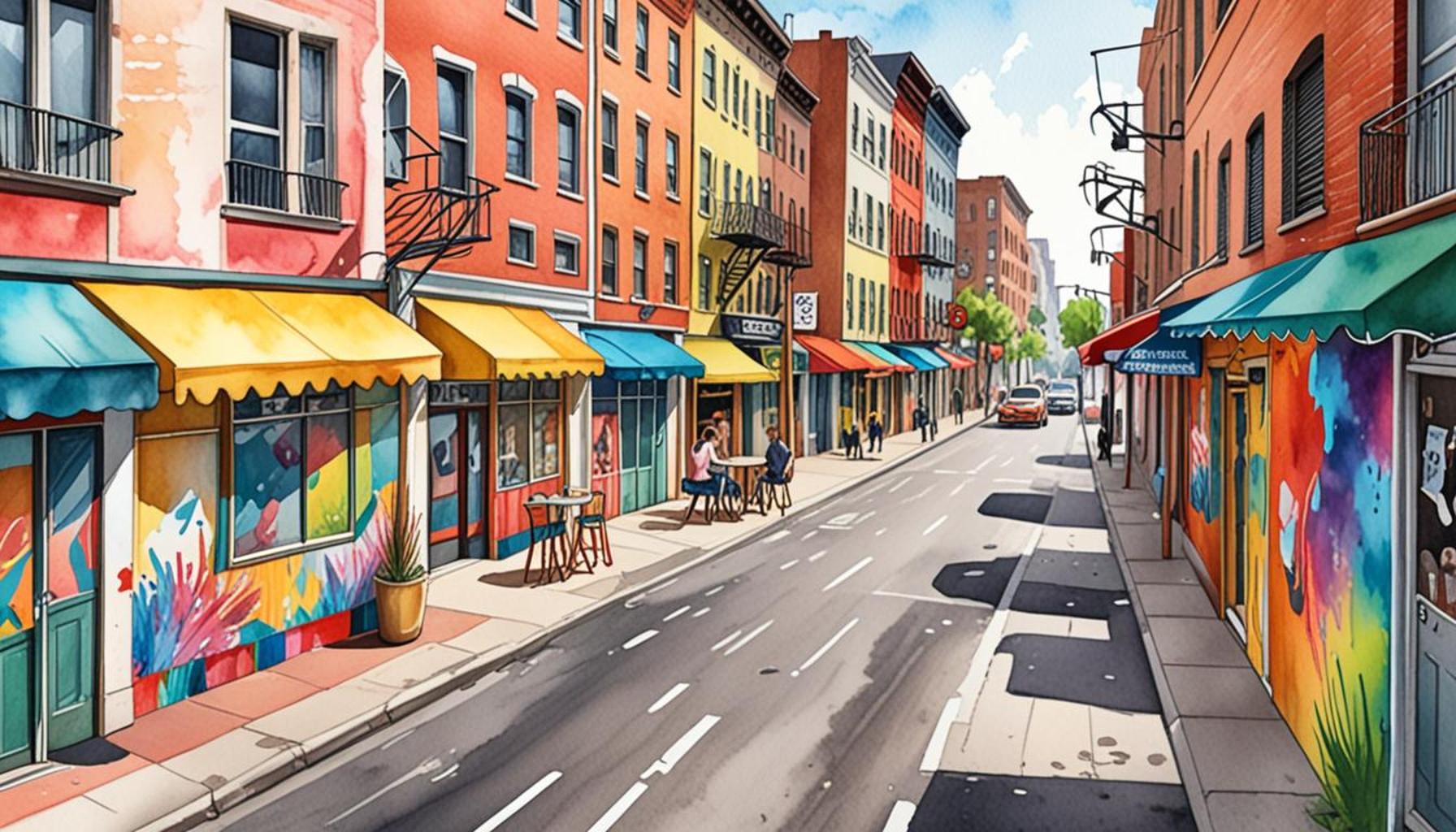
Public art has evolved into a profound catalyst for urban revitalization, redefining how communities interact with their environment. By transforming ordinary spaces into extraordinary canvases, it enriches local culture and invites engagement. As cities across the United States embrace this trend, the landscape of urban life is being reshaped, fostering a sense of belonging and pride.
Key Benefits of Public Art
- Enhances Aesthetics: Murals and sculptures breathe life into dull streets, making them visually appealing. For instance, the iconic “Mural Arts” program in Philadelphia has transformed neglected urban spaces into vibrant visual narratives that attract both locals and tourists.
- Promotes Community Engagement: Public art inspires dialogue, participation, and collaboration among residents. Art projects often involve local communities in their creation, encouraging diverse perspectives and fostering a sense of ownership. Events might include workshops where residents contribute ideas, ensuring that the art truly resonates with the neighborhood.
- Increases Economic Opportunities: Revitalized areas attract tourists, boosting local businesses and economies. For example, the “Wynwood Walls” in Miami has turned a once-derelict warehouse district into a thriving tourist destination, significantly increasing foot traffic and helping local shops flourish.
- Encourages Cultural Expression: Art reflects the stories and values of the community, honoring its unique identity. Initiatives in cities like San Francisco often highlight cultural histories and experiences that have shaped their neighborhoods, giving voice to underrepresented groups and cherishing communal heritage.
From the striking murals of Philadelphia to the vibrant installations in San Francisco, public art installations are becoming a staple in urban landscapes. Each creation offers a narrative, inviting passersby to pause, ponder, and appreciate their surroundings. As urban planners and artists collaborate, we are witnessing the emergence of open galleries that challenge conventional perceptions of community spaces. Installations can be seen in unexpected places, such as parks, sidewalks, or even the sides of buildings, transforming them into welcoming environments infused with creativity.
A Path Forward
As we explore the transformative impact of public art, it is critical to understand its role in shaping modern urban environments. This endeavor not only enhances the aesthetic appeal but also cultivates the social fabric of communities. By uniting local artists, residents, and planners, public art can serve as a beacon of community pride and inspire civic involvement. From neighborhood cleanups to art showcases, public art initiatives often link participants in a shared mission and vision for their area.
Join us in uncovering how public art is not just decoration but a powerful tool for change. As cities continue to evolve and grow, the integration of art into public spaces will remain integral to fostering vibrant, inclusive, and dynamic urban experiences.
DIVE DEEPER: Click here to discover more
Bridging Communities Through Artistic Expression
As urban landscapes grapple with the challenges of modern development, public art emerges as a unifying thread, weaving together the fabric of diverse communities. This form of artistic expression thrives in city squares, along bustling streets, and in hidden corners—turning them into open galleries that reflect the culture and values of their surroundings. The integration of art within public spaces provides a platform for residents to engage with their environment in meaningful ways, particularly in areas that have been historically marginalized or overlooked.
Fostering Identity and Belonging
Public art plays a crucial role in fostering a strong sense of identity within urban settings. In cities like Los Angeles, murals featuring local histories and cultural nuances tell stories that resonate deeply with residents. These artworks not only celebrate community narratives but also instill pride among locals, empowering them to take ownership of their neighborhoods. This connection is visible in the ever-expanding Los Angeles Mural Restoration Project, which seeks to protect and revitalize important artworks, demonstrating how art can serve as a historical touchstone for future generations.
Moreover, public art often addresses social and political issues, sparking important conversations. In Chicago, works like the “Crown Fountain” in Millennium Park challenge viewers to reflect on community dynamics, facilitating dialogues on inclusivity and representation. By engaging with art that provokes thought, residents are encouraged to advocate for change within their communities, further strengthening collective identities.
Transforming Underutilized Spaces
One of the striking impacts of public art is its ability to transform underutilized or neglected spaces into vibrant destinations. Urban areas, often dotted with vacant lots or run-down parks, can be revitalized through well-planned art initiatives that draw the public in. This phenomenon has been especially notable in cities like Pittsburgh, where the “Art in the Parks” program has breathed new life into previously abandoned parks, incorporating interactive art installations that invite community members to explore and discover.
In addition to murals and sculptures, temporary art installations and performance art contribute to the dynamic nature of public spaces. Events such as First Fridays in Philadelphia encourage local artists to showcase their work in public venues, transforming streets into lively art districts on a monthly basis. These opportunities for engagement ensure that art continually evolves alongside the community it serves, maintaining relevance and resonance.
Connecting Dynamics and Economic Growth
The integration of public art also has practical implications for urban development and economic growth. By convening art and commerce, cities can cultivate environments that attract both residents and tourists. The result is often a boost in local businesses, evidenced by examples like Wynwood Walls in Miami, where street art has redefined an entire neighborhood, turning it into a hotbed for creatives and entrepreneurs alike. This revitalization has spurred further investment within the community, demonstrating the potential of public art as a key driver of economic prosperity.
As we explore this evolving landscape, it is clear that public art serves as more than mere decoration; it is a vital component in reshaping urban environments, nurturing community bonds, and creating spaces that celebrate the collective spirit of their inhabitants.
| Advantage | Impact on Urban Spaces |
|---|---|
| Enhanced Community Engagement | Public art invites local residents to participate in their environment, fostering a sense of belonging. |
| Economic Growth | Attracting tourists and investors through visually striking installations revitalizes local economies. |
Public art serves as a powerful catalyst for community transformation. In urban areas, the dynamic interplay between art and its surroundings allows neighborhoods to evolve into vibrant hubs of activity and interaction. Artistic endeavors bridge gaps between diverse communities, encouraging dialogue and collaboration. For instance, murals and sculptures not only beautify public spaces but also reflect cultural narratives and encourage residents to express their unique identities.
Moreover, the economic implications of public art cannot be overlooked. When strategically integrated into urban planning, art installations can transform blighted areas into thriving districts, increasing foot traffic and stimulating local business. As a result, cities like Melbourne and Philadelphia have emerged as models of how public art can stimulate urban revitalization, showcasing the potential of these open galleries to create inviting environments that resonate with both locals and visitors alike.
This phenomenon sheds light on how public art can be a multifaceted tool for both enhancing the aesthetic appeal of common spaces and driving sustainable economic development. Exploring these dimensions offers fascinating insights into the intricate relationship between art and urban revitalization.
DON’T MISS: Click here to dive deeper
Public Art as a Catalyst for Sustainable Development
In the quest for sustainable urban development, public art stands out as a vital catalyst that contributes to environmental consciousness and community resilience. As cities increasingly acknowledge climate change and the need for sustainable practices, integrating art into urban planning can foster greater awareness among citizens regarding environmental issues. Public art projects often feature themes of nature, conservation, and sustainability, encouraging locals to reconsider their relationship with their surroundings.
Art as a Medium for Environmental Advocacy
Projects like the High Line in New York City showcase how public art can be utilized to promote environmental awareness while enhancing urban spaces. Once an abandoned elevated railway, the High Line has transformed into a stunning linear park adorned with art installations that highlight themes of biodiversity and green urbanism. This innovative project has sparked conversations around urban ecology, inspiring other cities to consider green spaces as part of their revitalization efforts.
Additionally, public artworks like The Green Beacon in Houston serve as memorials to environmental stewardship. This eco-focused installation encapsulates the principles of sustainability while inviting the community to engage in discussions about the importance of preserving natural resources. Through such initiatives, public art not only beautifies urban environments but also advocates for messages that resonate with ecological awareness and responsibility.
Creating Opportunities for Collaborative Engagement
Public art also creates opportunities for collaborative engagement among artists, residents, and local organizations, fostering a sense of ownership and responsibility. Community-based projects, such as Project Row Houses in Houston, exemplify this collaborative spirit. By engaging with local residents and artists to transform vacant houses into art spaces and studios, this initiative addresses social issues while showcasing the stories and creativity of the neighborhood. Such collaborative efforts build social capital, enhancing the quality of life for residents and attracting outside interest.
Furthermore, events like Art Walks in numerous cities encourage collaboration between artists and businesses, fostering a local economy grounded in creativity and culture. These events connect artists with residents as they share their work in local galleries or shopfronts, transforming ordinary streets into celebration corridors of creativity. The organic growth of these interactions fosters community bonds and encourages ongoing dialogue about the role of art in shaping urban spaces.
Public Art and Accessibility to Cultural Experiences
The democratization of art is another significant benefit of public art initiatives. Unlike traditional galleries that may be exclusive and hard to access, public art invites everyone into the conversation, breaking down barriers to cultural experiences. Cities such as Philadelphia have implemented programs that aim to place art in every neighborhood, ensuring accessibility to all residents, regardless of socioeconomic status. Public art plays a crucial role in making diverse artistic expressions available to a broader audience, contributing to a more inclusive environment.
Moreover, the pursuit of public art often aligns with initiatives to improve public transportation and pedestrian-friendly zones, as seen in cities like San Francisco where art installations are integrated into transport hubs. Such strategies encourage walking and cycling, creating a harmonious balance between art, mobility, and community interaction. The presence of art in transit areas humanizes everyday commutes, encouraging residents to engage with their surroundings in a more profound way.
Through these multifaceted roles, public art becomes an indispensable component of urban revitalization, enriching both the aesthetic and social landscape of cities. The potential of public art to foster community identity, advocate for sustainability, and democratize cultural experiences speaks to its far-reaching impact on the evolution of urban environments.
DISCOVER MORE: Click here to learn about the transformative power of poetry workshops
Conclusion: The Lasting Impact of Public Art on Urban Revitalization
As our cities continue to evolve, public art emerges as a profound vehicle for urban revitalization, transforming ordinary spaces into vibrant open galleries. This dynamic form of artistic expression not only beautifies urban landscapes but also serves as a powerful means of storytelling that reflects the unique cultural identities of communities. Moreover, it highlights the intricate web of social connections forged through collaborative engagement among artists, residents, and local organizations.
The integration of public art into urban planning is increasingly recognized as essential for fostering environmental advocacy and promoting sustainability. Projects like New York City’s High Line and Houston’s The Green Beacon illustrate how art can galvanize community awareness around ecological challenges, urging residents to embrace sustainable practices. Additionally, events such as Art Walks encourage local commerce while nurturing a sense of belonging within neighborhoods, further enriching the urban tapestry.
By democratizing access to art, cities are cultivating inclusive environments where diverse voices can express themselves freely. Efforts to place art in every neighborhood, as seen in Philadelphia, resonate deeply, ensuring that residents from varying socioeconomic backgrounds can partake in cultural experiences. Ultimately, the role of public art in urban revitalization cannot be overstated; it not only redefines public spaces but also strengthens community bonds, elevates local economies, and nurtures a shared vision for the future. Embracing this artistic revolution may hold the key to creating cities that are not just functional, but thriving cultural hubs.