Music as a Tool for Social Inclusion: Promoting Diversity Through Musical Practice
Exploring the Role of Music in Social Inclusion
In a country as diverse as the United States, music serves as a fundamental vehicle for fostering connections and cultivating a sense of community among individuals from varied backgrounds. By transcending language and cultural barriers, music has the power to bring people together, enabling dialogues that may otherwise be difficult to initiate. This intrinsic ability to promote social inclusion is essential in encouraging mutual understanding and acceptance within a multicultural society.
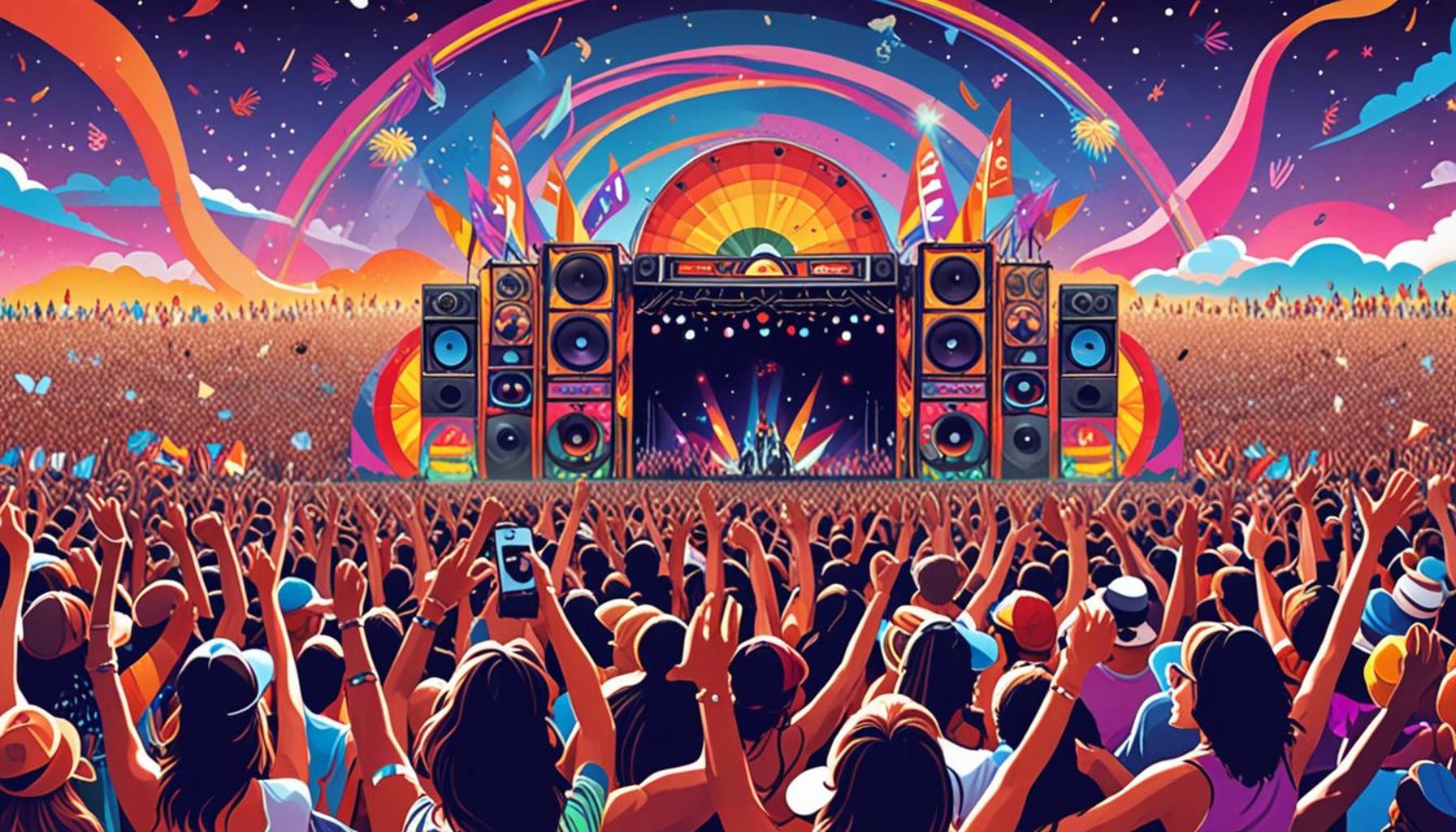
Fostering collaboration among individuals from different backgrounds can be witnessed in musical ensembles or festivals where artists from varying ethnicities and cultures come together to share their unique sounds. For instance, events like the Newport Jazz Festival and the New Orleans Jazz & Heritage Festival celebrate a blend of musical styles and the collaboration of musicians from diverse origins. Such gatherings not only showcase different performances but also promote an environment where audiences may engage with each other, enhancing social cohesion.
Moreover, promoting awareness about social issues through lyricism highlights how songs can serve as a commentary on societal challenges. Consider the impactful lyrics of artists like Kendrick Lamar and Billie Eilish, who address themes such as inequality, mental health, and climate change. Their artistry raises awareness and provokes thought, encouraging listeners to engage with pressing topics. This form of musical expression allows individuals to resonate with and reflect on their experiences and those of others, forging a collective consciousness around societal issues.
Equally important is the aspect of empowering marginalized voices. Music provides a vital platform for those who may feel disenfranchised, enabling them to share their stories and experiences. Initiatives like the Hip Hop Congress focus on harnessing hip-hop as a tool for social change, inviting young voices to express their visions for a better society. These programs foster a sense of agency among participants, demonstrating how artistic expression can inspire real-world impact.
Community-based initiatives—such as community choirs, music therapy programs, and cultural festivals—illustrate how music acts as a bridge across divides. For example, community choirs invite individuals from all walks of life to sing together, promoting collaboration and understanding. Music therapy initiatives have been shown to aid in healing processes, particularly for marginalized communities, offering therapeutic benefits through the medium of music. Furthermore, cultural festivals not only celebrate heritage but also engage attendees with different traditions, allowing for the exchange of experiences and ideas.
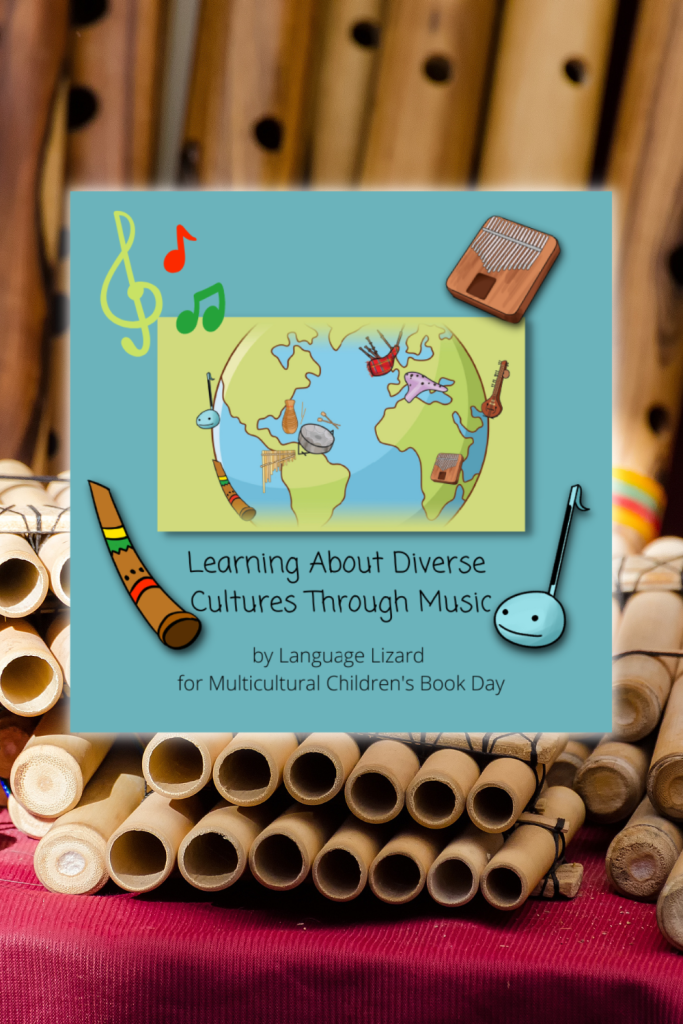
As we take a closer look at how musical practice can catalyze social change, it becomes evident that music is not merely entertainment; it is a transformative force capable of nurturing social ties and building a more inclusive future. This exploration invites us to consider how communities can harness the unifying power of music—an essential component in today’s puzzle of societal progress and harmony.
DISCOVER MORE: Click here to learn about the vital role of art in education
The Transformative Power of Music in Building Bridges
Music stands as one of the most powerful tools for social inclusion, capable of breaking down barriers and facilitating dialogue among various communities. In diverse societies like the United States, where cultural dynamics continually evolve, music is a unifying force that nurtures empathetic connections and shared experiences. By engaging people through familiar rhythms and melodies, music fosters collaboration, promotes understanding, and ultimately leads to a more inclusive atmosphere.
Grassroots organizations have begun to recognize music’s potential for social engagement, creating programs aimed at harnessing its influence for good. For instance, organizations like Playworks use music and play to create harmony and teamwork among schoolchildren from differing backgrounds. Similarly, community-based programs such as Ensemble Connect emphasize collaboration among young musicians from various identities, showcasing how joint musical practice can transcend cultural differences and cultivate respect and appreciation.
Through collaboration, music acts as a medium of joint expression, nurturing bonds among participants and audiences alike. Consider the format of a community drum circle, where individuals of varying ages come together to share their beats. Drum circles create an inclusive environment where everyone—from seasoned percussionists to novices—can contribute their rhythms. Such activities underscore that irrespective of one’s level of expertise, every contribution is valued, fostering an atmosphere that celebrates diversity.
Moreover, music education programs play a pivotal role in promoting diversity and inclusion among youth. Access to diverse musical genres—ranging from jazz to hip-hop and folk—has been shown to enhance cultural appreciation among students. Programs that incorporate multicultural music into their curricula expose students to different traditions, rhythms, and styles, instilling an understanding and respect for varied cultural heritages. This exposure often leads to collaborative projects, wherein students create original compositions inspired by different global influences, reinforcing the idea that creativity thrives in an inclusive environment.
- Collaboration in ensembles— Participants from different backgrounds come together to create music, allowing for diverse perspectives to merge.
- Community outreach— Music programs that serve various neighborhoods invite local artists to share their experiences and styles, enriching the cultural fabric of the community.
- Global festivals— Events like the GlobalFest or World Music Festival encourage cross-cultural exchange, showcasing diverse genres and promoting a sense of belonging among attendees.
The ability of music to articulate one’s identity serves as a compelling reminder of the rich tapestry that forms the cultural landscape in the U.S. When artists and performers share their stories through melodies, they invite others to embrace new perspectives that might not be accessible through traditional discourse. Indeed, each musical genre bears traces of the social history and cultural identity of those who created it, leading listeners on an enriching journey into shared human experiences.
In this light, the conversation around music as a tool for social inclusion continues to expand, with many organizations and communities harnessing its qualitative benefits. The evidence suggests that when music becomes a shared experience, it enhances not only interpersonal connections but builds communities characterized by acceptance, understanding, and inclusivity. As we delve deeper into this topic, we explore the methodologies and practices that exemplify how music can truly serve as an agent for positive social change.
| Advantage | Description |
|---|---|
| Cultural Exchange | Allows individuals from diverse backgrounds to share their musical traditions, fostering mutual respect. |
| Empowerment | Encourages self-expression through musical practice, enabling marginalized groups to find their voice. |
In the realm of social inclusion, music serves as a transformative tool that transcends barriers of language, culture, and socioeconomic status. By embracing cultural exchange, communities find common ground through the appreciation of varied musical forms, promoting tolerance and understanding. Furthermore, the aspect of empowerment through musical practice cannot be overstated, as individuals gain confidence and are motivated to express their thoughts and experiences. This type of participation not only enriches the individual’s life but also cultivates a thriving and diverse community that celebrates its differences.The synergy created by these practices can lead to innovative collaborative events such as community gatherings, workshops, and performances that engage a wide array of participants. As diverse groups come together through music, they create a symphony of voices advocating for inclusivity while enriching cultural dialogue. Engaging in music-related activities thus becomes a powerful mechanism for social change, urging society to recognize and embrace diversity as a fundamental value. By investing in programs that link musical practice to social inclusion, we foster environments that uplift rather than isolate.
DISCOVER MORE: Click here to delve into the significance of book clubs
Expanding Musical Horizons: Community, Identity, and Belonging
As music continues to emerge as a powerful vehicle for social inclusion, the role of local communities is paramount. Music not only reflects societal values but also helps construct collective identities. In community settings, musical offerings—be it through live performances, workshops, or festivals—foster connections between individuals of varying backgrounds, building a collective musical identity that celebrates diversity. Through such engagements, community members are encouraged to share their cultural traditions, crafting a dialogue of styles and rhythms that enrich the entire neighborhood.
Programs designed for intergenerational engagement amplify the impact of music by connecting different age groups. Initiatives like Music & Memory focus on using personalized music playlists to enhance the well-being of seniors suffering from dementia, allowing them to reconnect with memories, emotions, and identities. Simultaneously, younger generations volunteer their time, bringing fresh perspectives and energy to these sessions. This mutual sharing draws a unique tapestry of collaboration that not only benefits the participants but also the broader community, creating bonds that cross generational divides.
- Peer-led workshops— Community members can lead workshops centered on their unique musical traditions, providing a platform for cultural exchange.
- Collaboration with local artists— Local musicians can mentor youth, fostering skills while paving pathways for aspiring artists and providing them with role models.
- Accessibility through technology— Virtual platforms and social media have made it easier than ever for people from diverse backgrounds to collaborate and share their music, reaching broader audiences.
Moreover, as cities like New Orleans and Austin exemplify, music can be a potent economic driver in promoting social inclusion. Cultural festivals often attract tourists and can provide local artists with vital exposure and income. This not only supports the artists but also cultivates pride within local communities. Events such as the New Orleans Jazz & Heritage Festival celebrate the city’s rich cultural history while fostering an inclusive environment where music lovers from all walks of life come together to share in the experience.
Furthermore, the idea of “music as activism” plays a crucial role in shaping conversations around social justice and equality. Artists across the nation have harnessed their platforms to address pressing social issues, forging alliances within communities that transcend conventional political narratives. For example, initiatives like Black Lives Matter have effectively utilized music to communicate messages of resistance and unity, rallying individuals towards a common purpose. This demonstrates how music fosters a sense of belonging and empowerment, uniting voices to stand against systemic injustices.
In schools, the importance of music education cannot be overstated. Research shows that students engaged in musical programs often display improved social skills, greater self-esteem, and enhanced teamwork abilities. These outcomes are crucial for young people, especially within marginalized communities, as they cultivate not only musical talent but also essential life skills. Educators who prioritize musical diversity in school curricula by incorporating varied genres and instruments can expand students’ cultural horizons and promote inclusivity in the classroom.
As communities continue to explore the relationship between music and social inclusion, it is evident that the many facets of musical practice can yield transformative results. By ensuring voices from diverse backgrounds are acknowledged and celebrated, societies can work towards resilient communities characterized by mutual respect and collaboration. Ultimately, this emphasizes the fundamental role music plays in weaving together the fabric of society. The journey of discovery—both personal and communal—has just begun, inviting individuals to engage with one another through the universal language of music.
DISCOVER: Click here to uncover the therapeutic benefits of crafting
Harmonizing Communities: The Future of Music and Social Inclusion
In conclusion, the exploration of music as a tool for social inclusion reveals its vast potential to foster unity and understanding among diverse populations. As evidenced by community initiatives, intergenerational programs, and educational frameworks, music serves not only as an artistic expression but also as a medium to build bridges across cultural divides. The examples from vibrant cities such as New Orleans and Austin illustrate how music can drive economic opportunities while celebrating the rich tapestry of local cultures.
The transformative power of music—whether through collaborative performances or initiatives that highlight social justice—demonstrates its critical role in activating social change. As artists use their platforms to advocate for equality, they inspire both individuals and communities to collectively voice their aspirations and challenges. Furthermore, integrating music education within schools not only enhances students’ abilities but also instills values of teamwork and cooperation, paving the way for a more inclusive future.
Looking ahead, it is crucial to continue advocating for music’s role in enhancing diversity and community engagement. As we embrace the distinctive melodies and rhythms from various backgrounds, we cultivate an atmosphere that fosters mutual respect, understanding, and acceptance. By recognizing and celebrating the universal language of music, societies can embark on a journey toward harmonious coexistence, ultimately enriching humanity’s shared experience. The symphony of social inclusion, powered by music, encourages all of us to participate in crafting a more inclusive world.