Molecular Cuisine: The Science Behind Creative and Surprising Dishes
Exploring the Culinary Frontier
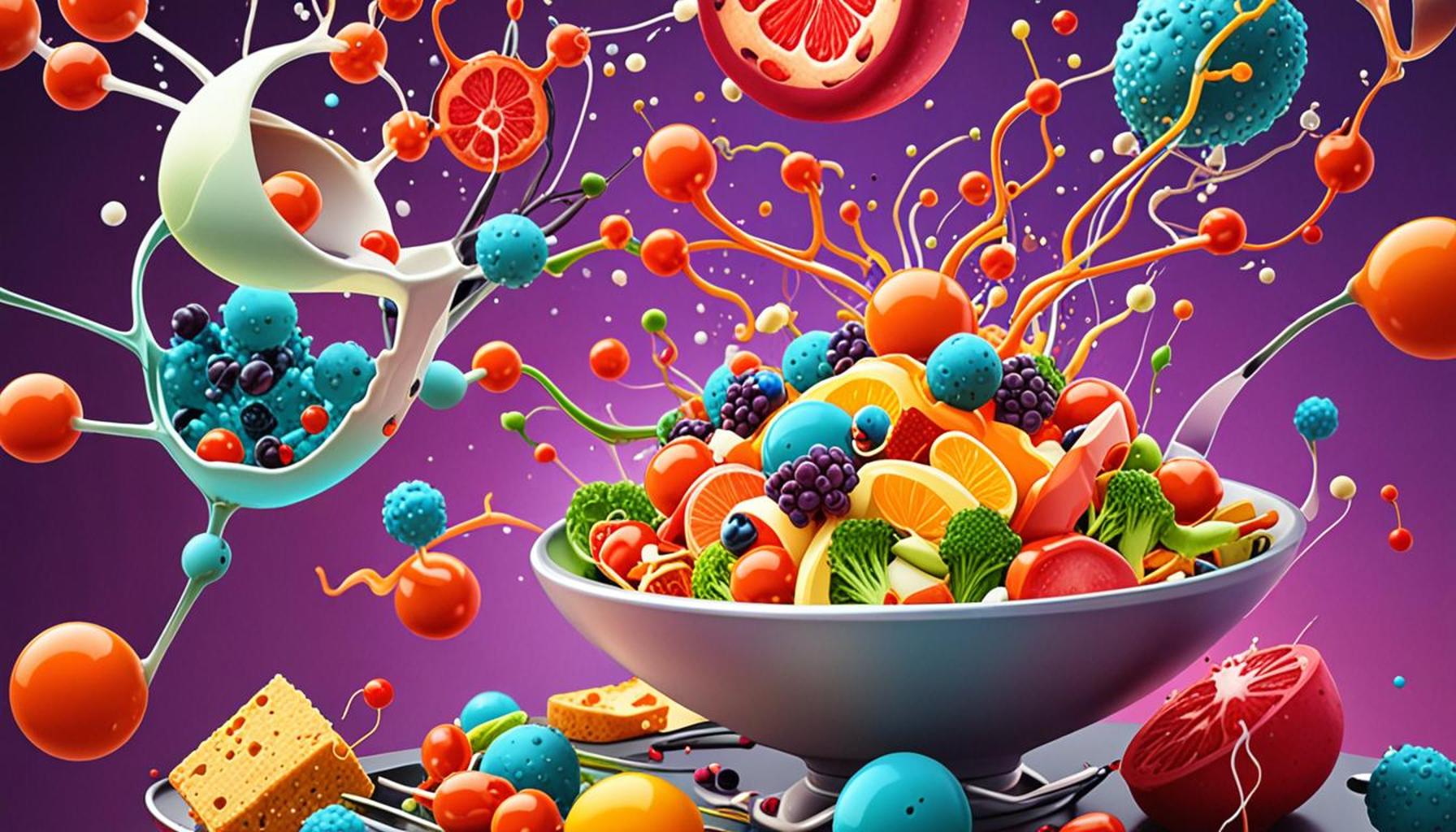
In recent years, a fascinating trend has emerged in the culinary world: molecular cuisine. This innovative cooking style combines science with gastronomy to create dishes that not only tantalize the taste buds but also surprise the senses. Chefs harness the principles of chemistry and physics to transform familiar ingredients into extraordinary experiences, taking diners on a journey that goes beyond mere eating.
What Is Molecular Cuisine?
Molecular cuisine blurs the lines between art and science, utilizing techniques that change the texture, form, and aroma of food to create a multi-sensory dining experience. Chefs employ these advanced methods to reimagine traditional dishes, resulting in unexpected flavors and presentations. Here are some key features:
- Spherification: This technique involves creating caviar-like beads from liquids. By using alginate and calcium chloride, chefs can encapsulate flavors into small spheres that burst in the mouth, releasing an explosion of taste. For instance, a popular application is making balsamic vinegar pearls that can be used to enhance salads or gourmet appetizers.
- Foaming: This technique adds air to liquids to create flavorful, airy textures. Chefs often make foams from infused broths or purees, allowing diners to experience the essence of the ingredient in a completely different form. A classic example is a citrus foam served alongside seafood dishes, adding a refreshing note that complements flavors beautifully.
- Emulsification: This involves combining non-mixable ingredients like oil and water to create stable mixtures that enhance texture and flavor. Chefs often use emulsifiers like lecithin to create smooth sauces or dressings that transform a dish’s overall impression.
This culinary movement focuses not solely on aesthetics but delves into the scientific principles that can elevate traditional cooking. By understanding molecular interactions, chefs can produce vibrant dishes that challenge conventional flavor combinations and presentations. For example, pairing savory elements with unexpected sweet notes can surprise diners, creating an unforgettable dining experience.
Why It Matters
The impact of molecular cuisine extends beyond fine dining restaurants. Its principles have inspired home cooks and culinary schools across the United States to explore new methods and techniques. Culinary programs now often include short courses on molecular gastronomy, enabling aspiring chefs to learn the science behind their craft. Workshops and classes are available, where participants can experiment with spherification and foaming techniques under the guidance of experienced chefs.
Moreover, the rise of social media has accelerated the visibility of molecular cuisine. Diners excited about sharing their experiences often post images and reviews of visually stunning dishes, encouraging greater public interest and prompting others to try their hand at molecular techniques at home. Through these innovative approaches, food enthusiasts can discover the science behind their favorite dishes and understand how culinary creativity comes to life.
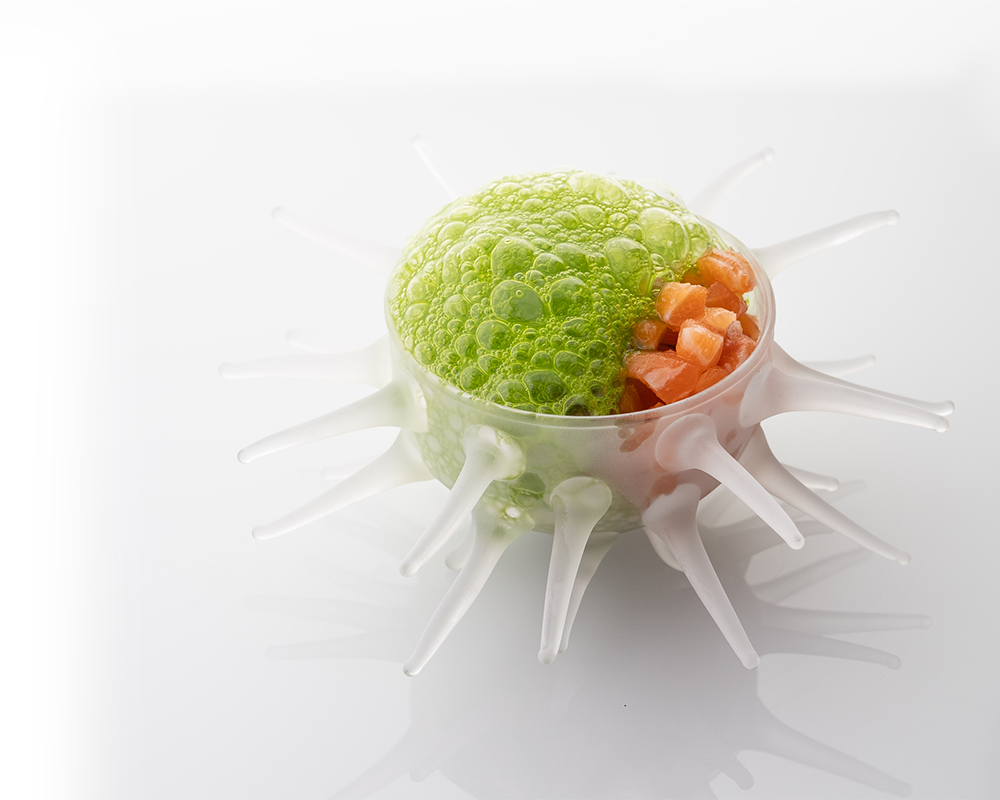
As this movement continues to evolve, it invites both amateurs and professionals alike to push the boundaries of traditional cooking, making gastronomy not just about eating but an exploration of flavor, science, and creativity.
EXPLORE MORE: Click here to dive deeper into artistic narratives
The Science Unveiled: Techniques and Principles
Molecular cuisine transcends traditional cooking methods by ingeniously incorporating aspects of chemistry to revolutionize the dining experience. At its core, it is a fascinating interplay between science and culinary art, where chefs utilize innovative techniques to engage diners on multiple levels. The science underlying molecular gastronomy hinges on a few fundamental principles and techniques that redefine how we perceive food. Understanding these concepts can significantly enhance appreciation for the creativity and mastery involved in preparing these dishes.
Fundamental Techniques of Molecular Cuisine
Among the numerous methods deployed, several key techniques stand out as hallmarks of molecular cuisine, transforming the very nature of ingredients and their presentation. Here are some essential techniques that showcase the artistry and science behind this culinary trend:
- Gelification: This process involves turning liquid into a gel-like consistency through the use of agents such as agar-agar or gelatin. By manipulating the molecular structure of liquids, chefs can create surprising textures and forms, perfect for innovative desserts or savory dishes.
- Deconstruction: This technique focuses on breaking down traditional dishes into their individual components, allowing chefs to reassemble them in surprising and novel ways. It challenges diners to consider their favorite flavors from a fresh perspective, often bringing together elements that complement each other in unexpected manners.
- Temperature Manipulation: Chefs often experiment with extreme temperatures to create dish contrasts, such as hot and cold sensations in the same plate. Using techniques like liquid nitrogen, chefs can create instant ice creams or freeze herbs, providing a thrilling sensory experience.
- Cooking Sous Vide: This method involves cooking food in a vacuum-sealed bag submerged in low-temperature water for an extended period. This technique ensures precise cooking control, allowing flavors to develop while maintaining the food’s moisture and texture. It’s a popular method in fine dining that highlights precision and consistency.
What makes these techniques so compelling is that they encourage chefs to think beyond conventional boundaries. For instance, gelification allows for the retelling of classic dessert tales in new and inventive presentations, such as transforming a traditional fruit puree into a delicate gel that can be paired with crunchy elements for contrast. Each culinary creation aims to elicit curiosity and excitement, engaging diners in both taste and texture.
Moreover, the science of flavor pairing plays a pivotal role in molecular cuisine. By understanding the chemical compounds that make up different ingredients, chefs can innovate harmonious pairings that excite and surprise the palate. This emphasizes a new approach to food: a harmony of flavors that invokes both nostalgia and surprise.
As diners dive deeper into these experiences, there is a greater appreciation for the underlying science that dictates how flavors interact. The interplay of chemistry and creativity not only sets the stage for a memorable meal but also invites an exploration of food that goes beyond conventional dining. This synthesis of science and art makes molecular cuisine a thrilling frontier in the world of gastronomy.
| Technique | Impact |
|---|---|
| Spherification | Transforms liquids into spheres, creating an unexpected burst of flavor. |
| Foaming | Introduces air into liquids, enhancing aromas and textures for surprising sensory experiences. |
Molecular cuisine utilizes inventive techniques like spherification to create dishes with unexpected textures and flavors. This technique allows chefs to turn liquids into delicate spheres that burst upon consumption, providing a distinct and delightful surprise for diners. Imagine tasting a savory soup or a cocktail encapsulated in a small, pearl-like sphere!Another noteworthy technique is foaming, which injects air into sauces or ingredients, producing a light, airy texture. This not only generates visual excitement on the plate but also significantly enhances the flavor profiles, often intensifying the overall dining experience. Chefs often apply techniques like these to elevate standard dishes, encouraging diners to explore new taste dimensions that challenge traditional norms of food presentation and flavor infusion. As the world of gastronomy continues to evolve, molecular cuisine remains at the forefront, inviting culinary enthusiasts to embrace creativity and innovation on their plates. By incorporating scientific principles into cooking, chefs can revolutionize dining, transforming meals into memorable experiences that tantalize the taste buds and spark curiosity. From unique textures to bold flavors, molecular cuisine offers endless possibilities for culinary experimentation.
DIVE DEEPER: Click here to learn more
The Flavor Revolution: Emulsification and Foam Techniques
Another fascinating area of exploration within molecular cuisine involves emulsification and the creation of foams. These techniques bring a new dimension to flavor dispersion, ensuring that every bite of a dish carries a unique and memorable experience. Emulsification uses agents like lecithin or soy sauce to combine ingredients that typically do not mix, such as oil and water. This process allows chefs to create dressings, sauces, and just about any liquid in a myriad of flavors and textures that would otherwise be unattainable with traditional recipes.
The Art of Foam Creation
Foams have gained notable popularity in the realm of molecular cuisine, often enhancing dishes not just visually but also through texture and flavor. For instance, turning a rich sauce into a frothy foam can brighten the palate and provide a delicate finish to a dish, offsetting heavier ingredients. Chefs utilize tools like hand-held whippers and siphons to achieve this, infusing air into mixtures to generate light, airy textures. These foams can range from savory to sweet, allowing for inventive pairings that challenge customary flavor profiles. Imagine a basil foam accompanying a tomato soup or lemon foam added to a chocolate dessert—these combinations breathe new life into familiar meals.
One of the compelling aspects of using foams is their ability to intensify flavors without the weight that traditional sauces may impart. Chefs can play with concentration, reducing essential flavor components into whisked air-filled forms that captivate the senses. What diners initially might perceive as a casual foam often contains deep, rich flavors that surprise and intrigue. Additionally, such techniques provide a visual spectacle, as the delicate foams dance atop a dish, sparking conversations and curiosity.
Encapsulation: Pushing Boundaries of Dining
Encapsulation is another technique that embodies the spirit of molecular cuisine, allowing chefs to create bursts of flavor within a thin membrane that can be broken upon consumption. Using ingredients like sodium alginate and calcium chloride, chefs craft spheres that encapsulate juices or sauces, leading to an experience that can be both familiar and novel. This form of flavor delivery has remarkable implications for how diners interact with their meals. For example, an olive-oil sphere that bursts with flavor as one bites into it adds an element of surprise and excitement, reinterpreting classic Mediterranean flavors for a modern audience.
Furthermore, encapsulation encourages both experimentation and innovation, bridging the gap between the cook and the patron. It invites diners to play with their food—combining spheres of various flavors to explore new culinary combinations. By designing intricate dishes with these techniques, chefs can orchestrate a dining experience that transcends traditional eating habits and fosters a deeper connection with the art of food.
The captivating world of molecular cuisine is an invitation to venture beyond standard gastronomic boundaries. Each technique, from emulsification to encapsulation, is underpinned by chemistry, offering an opportunity to explore food through a scientific lens. For those willing to embrace the unknown, the experiences and flavors await, promising delightful surprises at every turn.
DISCOVER MORE: Click here to dive deeper
The Future of Dining: Embracing Molecular Cuisine
In conclusion, molecular cuisine represents a groundbreaking approach to the culinary arts, merging scientific innovation with traditional cooking techniques to transform the dining experience. Chefs around the world are redefining taste with the use of remarkable techniques like emulsification, foams, and encapsulation, pushing the boundaries of flavor and texture. This culinary movement encourages a deeper engagement with food, inviting diners not only to savor unique flavors but also to participate in an interactive culinary journey.
As molecular gastronomy continues to evolve, it offers a unique opportunity for chefs to recreate classic dishes with an imaginative twist, encouraging endless experimentation and creativity in the kitchen. The fusion of art and science in molecular cuisine fosters a new appreciation for the gastronomic possibilities that exist beyond conventional methods. By studying the principles behind these innovative techniques, home cooks and aspiring chefs alike can tap into a wealth of inspiration that can elevate their culinary creations.
Moreover, as the fascination with molecular cuisine grows, so does the potential for sustainability and health-conscious cooking. Chefs are increasingly utilizing these techniques to create dishes that are not only visually stunning but also minimize food waste and enhance nutrient profiles. With this culinary revolution on the rise, there has never been a more exciting time to explore the landscapes of creativity and flavor in the realm of dining.
For those intrigued by the intersection of gastronomy and science, the world of molecular cuisine awaits, offering tantalizing surprises that challenge our perceptions of what food can be. It invites adventurous eaters and aspiring chefs alike to delve deeper into the science behind the art, forging new paths toward culinary excellence and innovation.