Fusion Cuisine: Blending Traditions and Flavors to Create Unique Culinary Experiences
Discover the Art of Fusion Cuisine
Think of the last meal that surprised you. Was it a taco stuffed with Korean BBQ? Or perhaps sushi rolls filled with rich cream cheese? This is the magic of fusion cuisine, where culinary borders vanish, and flavors from different traditions merge into something extraordinary. Fusion cuisine not only tantalizes the palate but also invites diners to experience the diverse tapestry of global cultures through food.
What Makes Fusion Cuisine Unique?
- Blending Techniques: Fusion cuisine often combines cooking methods from various cultures. For example, stir-frying is a staple technique in Chinese cooking, while slow-roasting is common in American barbecue. Chefs skillfully blend these methods to create unique dishes, such as a Thai basil chicken served with slow-roasted potatoes, merging flavors and textures to delight the senses.
- Unexpected Ingredients: One of the hallmarks of fusion cuisine is the use of local or unconventional elements in traditional dishes. Imagine a classic Italian risotto made with squash blossoms and finished with a dollop of spicy kimchi. This unexpected ingredient introduces an exciting element of heat and tanginess that redefines an Italian favorite.
- Cultural Exchange: Fusion cuisine celebrates global heritage through food, allowing diners to explore culturally rich experiences. For instance, visits to food trucks in major cities often reveal a blend of cultural influences, such as a Mediterranean falafel served in a soft corn tortilla, presenting a delicious twist that pays homage to both origins.
In the United States, fusion cuisine has taken center stage, showcasing a variety of styles that stir the imagination. From Mexican-Asian restaurants to Italian-Indian food trucks, each creation tells a story of innovation and exploration, driven by culinary boundaries being pushed and redefined by adventurous chefs. Cities like Los Angeles and New York are melting pots of culinary experimentation, where chefs often thrive by trying their hands at unconventional pairings.
Popular Examples of Fusion Dishes
- Biryani Burrito: A fusion of Indian and Mexican staples, this dish features spiced basmati rice, marinated proteins, and rich condiments all wrapped in a hearty tortilla, creating a portable meal that fuses the best of both worlds.
- Ramen Burger: This inventive dish presents a Japanese favorite redefined as a Western classic. Instead of a traditional bun, the ingredients use pan-seared ramen noodles, offering a crispy texture that compliments the juicy beef patty, creating a whimsical and satisfying bite.
- Sushi Tacos: A playful amalgamation of Japanese and Mexican culinary traditions, sushi tacos are crafted by placing sushi ingredients—such as spicy tuna, avocado, and pickled ginger—inside a crispy taco shell, succinctly merging two beloved cuisines in one delightful dish.
As we delve deeper into the culinary world of fusion cuisine, expect to uncover a realm filled with creativity and flavor. Each dish not only tantalizes the taste buds but also sparks curiosity about the cultures behind them. Whether you’re exploring food halls, trendy eateries, or artisan food trucks, each bite provides a chance to celebrate innovation and the ever-evolving nature of our culinary landscape.
DIVE DEEPER: Click here to learn more
Embracing Culinary Creativity
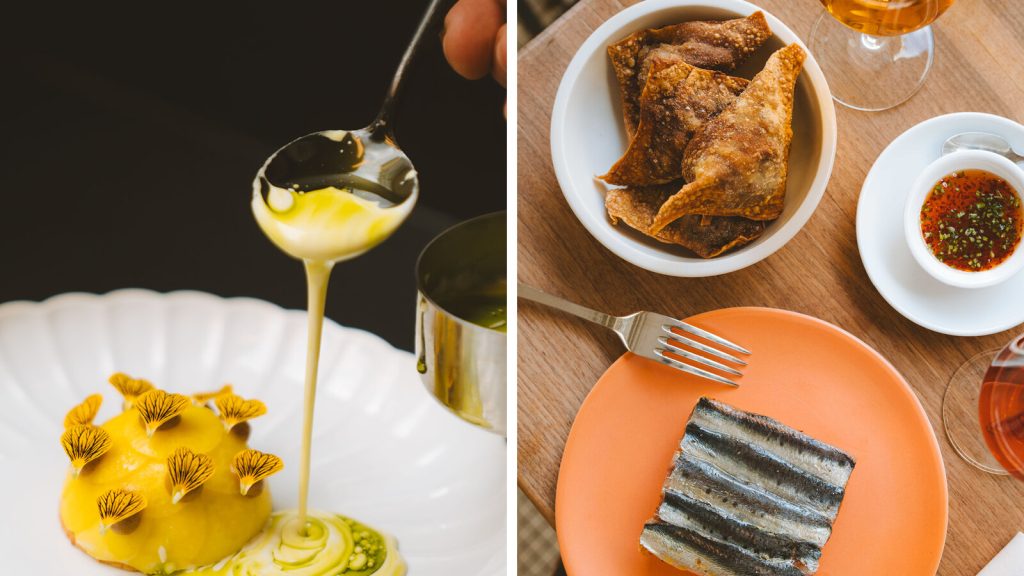
At its core, fusion cuisine embodies the spirit of innovation and exploration, merging culinary techniques and traditions from around the globe. This creative approach not only brings new flavors to the table but also reflects the ever-evolving nature of our multicultural society. By combining elements from diverse backgrounds, chefs craft dishes that serve as a testament to both their artistry and the interconnectedness of human experiences.
The Role of Cultural Influences in Fusion Cuisine
Fusion cuisine thrives on the rich tapestry of cultural influences, inviting diners to experience an exciting array of flavors. As the United States is home to a multitude of ethnic communities, it has become a fertile ground for culinary cross-pollination. The blend of flavors often reflects the neighborhoods where these communities reside, with chefs incorporating authentic ingredients and cooking techniques into their menus.
This cultural exchange often gives birth to innovative dishes that celebrate the best of two or more worlds. Consider noodle bowls inspired by Vietnamese pho and topped with traditional Italian pesto—this concoction brings fragrance from Southeast Asia and herbaceous zest from Italy into a single satisfying meal. The result? A delightful culinary experience that not only sparks curiosity but also broadens the palate.
The Importance of Ingredient Selection
Successful fusion cuisine hinges on the careful selection of ingredients. Chefs look beyond traditional components, often incorporating seasonal or local produce that adds a unique twist to classic flavors. In essence, the choice of ingredients serves as a bridge between cultures, allowing dishes to resonate with a modern audience while honoring their roots.
- Seasonal Ingredients: Utilizing locally sourced produce ensures that flavors remain vibrant and fresh. A mushroom risotto might be elevated with wild mushrooms foraged from local farms, marrying Italian flavors with a distinctly American touch.
- Spices and Seasonings: The use of spices can make or break a dish. An Indian-inspired pizza topped with paneer, spinach, and a drizzle of spicy mango chutney showcases how the right seasonings can transform familiar fare into something extraordinary.
- Cooking Techniques: Combining different cooking styles can lead to innovative results. A tempura-style fish taco showcases Japanese techniques merged with classic Mexican tradition, resulting in a light and crispy creation that tantalizes the senses.
As fusion cuisine continues to gain popularity, the emphasis is on showcasing how flavors interact and elevate one another. Each dish has the potential to tell a story – a journey that encapsulates tradition, creativity, and cultural heritage. By engaging with the art of fusion cuisine, diners are invited to celebrate not only what they eat but also the diverse cultures and histories that inspire their favorite dishes.
| Category | Advantages |
|---|---|
| Cultural Exchange | Fusion Cuisine promotes cultural understanding by combining diverse culinary traditions. |
| Flavor Innovation | It encourages creative combinations of flavors that surprise and delight the palate. |
Embracing the art of Fusion Cuisine opens a doorway to extraordinary culinary experiences. By blending diverse traditions and flavors, chefs not only showcase their creativity but also foster cultural exchange. This culinary innovation often results in dishes that transcend conventional boundaries, allowing diners to experience flavors from different parts of the world in a single meal. For example, the combination of spicy Thai chili with rich Italian pesto creates a unique dish that echoes the vibrant and bold characteristics of both cultures. This exhilarating approach to cooking invites food lovers to explore new tastes and broaden their appreciation for global cuisine.Furthermore, by encouraging flavor innovation, chefs inspire one another to think outside the box. This dynamic environment stimulates curiosity, practice, and experimentation in the culinary arts, leading to unique offerings that can define a restaurant’s identity. Embracing these innovations not only revitalizes traditional cooking methods but also provides an opportunity for regional ingredients to shine on an international stage. Each dish becomes a story, a celebration of the interplay between different food cultures.
DISCOVER MORE: Click here to delve deeper
Exploring Regional Variations in Fusion Cuisine
As chefs experiment with the art of fusion cuisine, it becomes clear that geographical location plays a significant role in shaping unique culinary expressions. The melting pot of cultures in the United States not only provides a multitude of influences but also leads to the emergence of distinct regional variations. Each area showcases its own signature fusion dishes, reflecting local tastes, traditions, and agricultural yields.
West Coast Innovations
The vibrant culinary scene on the West Coast, particularly in cities like San Francisco and Los Angeles, is renowned for its innovative fusion dishes that celebrate both health and flavor. Emphasizing fresh, locally-sourced ingredients, Southern Californian restaurants may serve California sushi rolls, which blend traditional Japanese sushi with American avocados and crab, creating a light yet indulgent dining experience.
Moreover, the influence of Mexican cuisine is palpable in West Coast fusion dishes. Take, for example, the ever-popular tacos with Korean BBQ—an ingenious combination that melds savory marinated beef with traditional taco tortillas, creating a colorful medley of flavors that is both comforting and exotic.
Midwestern Comfort Meets Global Flavors
In the heart of the Midwest, fusion cuisine often embraces the region’s affinity for hearty, comfort foods, applying international techniques and ingredients that resonate with local diners. Cities like Chicago have seen the rise of dishes such as Chicago-style deep-dish pizza infused with Indian spices, where the rich tomato base marries with fragrant garam masala, evoking warmth and familiarity with an international twist.
Additionally, gastro pubs across the Midwest are embracing the fusion trend by featuring comfort food staples like mac and cheese, which may now include anything from Asian-inspired kimchi to Greek feta and olives, creatively showcasing how diverse culinary traditions can enhance beloved local favorites.
Unique Southern Spins on Global Classics
The Southern United States brings its own distinctive flair to fusion cuisine with dishes that gracefully incorporate elements from locally cherished ingredients. New Orleans, known for its rich culinary history, presents an enchanting spectrum of fusion options—from crawfish étouffée tacos that delicately balance Cajun spices with a universal street food format, to gumbo-inspired ramen that brings together Asian and Louisiana flavors in a single, soul-satisfying bowl.
Moreover, Southern barbecue has garnered attention, leading to delicious concoctions such as barbecue pork banh mi, where tender, slow-cooked meats meet the Vietnamese sandwich tradition, enriching both flavor profiles and cultural narratives.
The exploration of regional variations in fusion cuisine highlights not only the adaptability of dishes but also the creativity of chefs as they push boundaries and redefine culinary experiences. Whether it’s in a bustling urban hub or a quiet neighborhood bistro, fusion cuisine encourages diners to venture beyond the ordinary, unveiling a culinary journey that delights the senses and pays homage to diverse traditions.
DISCOVER MORE: Click here to learn about community craftsmanship
Conclusion: A World of Culinary Possibilities Awaits
In a world where culinary traditions are constantly evolving, fusion cuisine stands out as a testament to creativity, adaptability, and the limitless scope of flavors. From the bustling streets of Los Angeles to the soul-filled eateries of New Orleans, the blending of global culinary influences invites diners to experience food in ways that are both familiar and novel. As we have explored throughout this article, the myriad regional variations across the United States serve not only to enhance local favorites but also to foster a greater appreciation for the diversity of world cuisines.
The rise of fusion dining is a phenomenon that challenges the norms of traditional cooking, encouraging chefs to experiment boldly with ingredients, techniques, and flavor profiles. This forward-thinking approach not only captivates taste buds but also creates a cultural dialogue, allowing us to celebrate our differences while uniting through shared culinary experiences. The beauty of fusion cuisine lies in its ability to connect people across various backgrounds, transforming meals into a joyous exploration of creativity and culture.
As food enthusiasts, it is our opportunity to embrace this vibrant landscape of flavors, seeking out new fusion dishes that pique our curiosity and challenge our palates. Whether dining at a trendy restaurant or trying out recipes at home, the world of fusion cuisine offers an endless adventure waiting to be discovered. In a society where food can bridge divides and bring memories to life, it becomes clear that fusion cuisine is not just a trend; it is an enriching journey into the heart of our diverse culinary heritage.