Music in Education: The Role of Extracurricular Programs in the Development of Young Musicians

The Role of Music in Education
In recent years, the significance of music in education has come to the forefront, revealing its profound impact on young minds. Extracurricular programs have emerged as essential mediums for nurturing budding talents and fostering creativity among students. These initiatives serve as pathways not only for musical education but also for life skills that are crucial during formative years.
Benefits of Music Education
Participating in music programs offers a variety of benefits that extend beyond the notes and rhythms. Among the most significant advantages are:
- Skill Development: Young musicians enhance their technical abilities through structured practice, which includes learning to play instruments or understand music theory. Programs often include workshops where students can learn from experienced musicians, thus honing their artistry and expertise.
- Social Interaction: Collaborative opportunities in band, choir, or ensembles promote teamwork and social skills. For instance, a high school marching band requires students to coordinate their efforts, listen to one another, and create synchronized performances, fostering camaraderie and mutual respect.
- Confidence Building: Performing in front of peers helps boost self-esteem. Events such as solo recitals or school concerts provide a stage for students to showcase their talents, teaching them to manage anxiety and developing their public speaking skills—valuable in both personal and professional environments.
- Cognitive Benefits: Musical training is linked to improved cognitive performance in other academic fields. Research suggests that students who engage in music education often show enhanced language skills, better mathematical reasoning, and stronger memory capabilities, demonstrating the cross-disciplinary advantages of music learning.
Integration in Schools
In the United States, schools are increasingly integrating these programs into their curricula, acknowledging the role of music education in holistic development. According to the National Association for Music Education, students involved in music programs have higher levels of academic achievement and lower dropout rates compared to those who do not participate. This has spurred educational institutions to seek partnerships with community music organizations and develop after-school activities that enrich students’ experiences.
Community music groups provide additional platforms for expression, allowing students to explore different genres, from classical to contemporary, and engage in diverse musical cultures. For example, programs like “El Sistema” in various urban areas have proven immensely successful in transforming the lives of underprivileged youth through intensive music training and performance opportunities.
Supporting Young Musicians
As educators and parents seek effective ways to support young musicians, understanding how these extracurricular programs contribute to a child’s overall growth is vital. They embrace a holistic approach, emphasizing not only skill acquisition but also emotional and social development. Numerous studies and stories from enthusiastic educators highlight the lasting impact of music education, showcasing transformative journeys of students who have leveraged music as a tool of self-discovery and achievement.
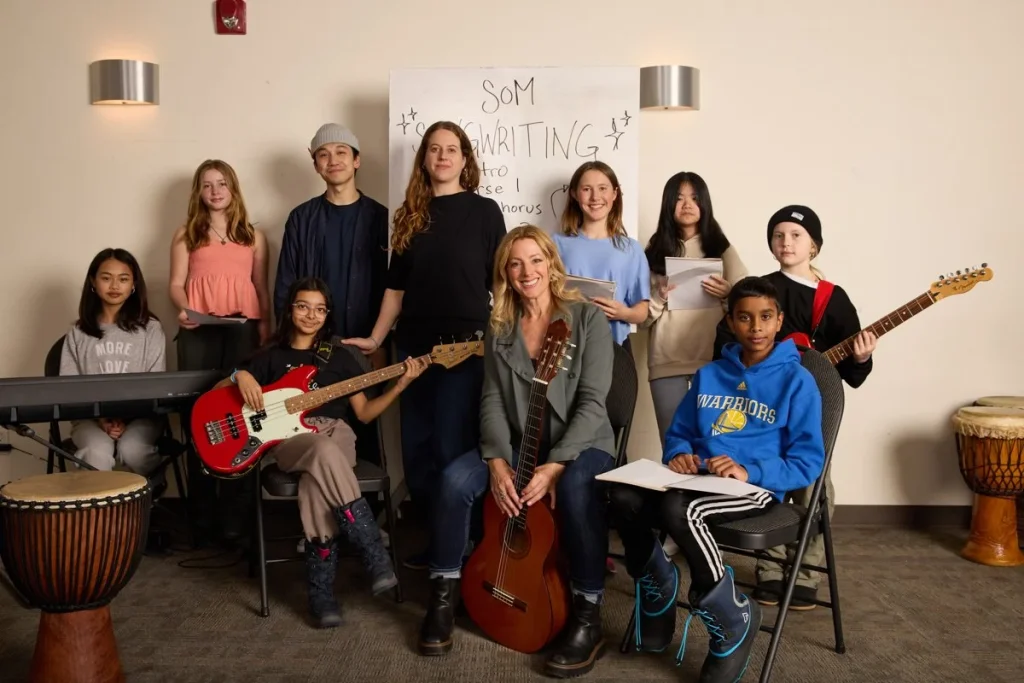
By exploring the compelling evidence surrounding the benefits of music in education, one can uncover inspiring narratives that reveal the transformative power of artistic engagement in shaping young lives. Encouraging participation in music not only benefits the individual musician but also enriches the community and fosters a culture of creativity and collaboration.
DISCOVER MORE: Click here to uncover inspiring stories
Nurturing Talent Through Extracurricular Engagement
Extracurricular music programs play a pivotal role in nurturing young talent, providing opportunities for students to develop their musical skills in a supportive environment. These programs not only serve as a creative outlet but also create a vibrant community where young musicians can collaborate and learn from one another. In this landscape, various types of programs emerge, each offering unique pathways to musical excellence.
Types of Extracurricular Music Programs
A wide array of extracurricular music programs exist across schools and communities, catering to diverse interests and abilities. Some of the most prominent include:
- School Bands and Orchestras: These ensembles are foundational to many students’ musical experiences, providing a structured setting where participants can learn about instrument techniques, ensemble playing, and performance etiquette.
- Choirs: Involvement in choral groups offers students the chance to explore vocal techniques, harmonization, and the emotional aspects of music through singing, fostering deeper connections to their musical expression.
- Music Clubs: These clubs are often student-led, promoting peer engagement and creativity. They allow students to experiment with songwriting, music composition, and even sound engineering, offering a more individualized approach to music education.
- Private Lessons: Paired with school programs, private lessons can significantly enhance a student’s skills. Learners receive tailored instruction from expert musicians, helping to refine their abilities and expand their musical horizons.
Each of these programs contributes to a student’s musical education in different ways, addressing various learning styles while promoting personal growth. The hands-on experience of participating in these extracurricular activities fosters resilience, discipline, and creativity—attributes that prove beneficial both in music and in broader life contexts.
Building Community and Lifelong Connections
Extracurricular music programs not only cultivate individual talent but also help build a sense of community among young musicians. Through shared experiences such as rehearsals, performances, and competitions, students form meaningful connections that can last a lifetime. This camaraderie is essential, as it teaches the value of collaboration and mutual support. Moreover, students become part of a larger network that celebrates creativity and artistic expression.
Research indicates that participation in extracurricular music programs can lead to long-term engagement in the arts, encouraging future generations to appreciate and contribute to the cultural fabric of society. This phenomenon is particularly evident in successful community initiatives that champion music education, such as youth orchestras and regional music festivals that feature talented young musicians from diverse backgrounds.
As communities recognize the profound implications of music education on personal and societal development, the ongoing support and investment in extracurricular programs become increasingly important. This collective commitment ensures that young musicians have the resources and opportunities they need to thrive, thereby enriching their lives while simultaneously elevating the cultural landscape of their environments.
| Advantage | Description |
|---|---|
| Enhanced Creativity | Extracurricular music programs promote imagination and creative thinking, crucial for developing innovative young musicians. |
| Social Skills Development | Participation in music groups fosters collaboration and communication, allowing students to work together towards a common goal. |
| Discipline and Time Management | Students learn commitment and organization as they balance rehearsals, performances, and other responsibilities. |
| Emotional Expression | Music allows young musicians to convey feelings and experiences, offering an emotional outlet and reducing stress. |
Extracurricular music programs serve as vital arenas for holistic development. They provide students with opportunities that extend far beyond traditional classroom learning. Through these programs, participants often discover their interests and passions, which can significantly impact their education and career choices. Moreover, the skills gained through musical pursuits can translate into academic success. Studies indicate that students involved in extracurricular music programs often exhibit improved performance in other subjects, reinforcing the idea that music education plays a crucial long-term role in their overall development. As such, engaging in music extends an invitation to explore and thrive in a rich world of collaboration, creativity, and self-expression, equipping young musicians with the tools they need to succeed in various facets of life.
DON’T MISS: Click here to discover the therapeutic benefits of crafting
The Impact of Extracurricular Programs on Cognitive Development
Extracurricular music programs not only nurture talent and foster community but also yield significant benefits for cognitive development in young musicians. Research has repeatedly demonstrated a strong correlation between music education and enhancements in critical thinking, memory, and academic performance. This connection is often attributed to the multifaceted nature of music itself, which engages various areas of the brain simultaneously.
Enhancing Academic Performance Through Music
Numerous studies have highlighted how participation in extracurricular music programs can bolster academic success. Students involved in music education often exhibit superior skills in mathematics, reading, and language arts. For instance, a report from the Arts Education Partnership found that students who engage in music are more likely to perform better on standardized tests compared to their peers who do not participate in music programs. This can be partly explained by the cognitive demands of learning music, which require discipline, attention, and the ability to process complex information.
- First, Music Teaches Math Skills: Instruments function in ways that inherently involve mathematical principles, such as rhythm, scales, and intervals. By understanding these concepts, students gain a more concrete understanding of math as it applies in real-life contexts.
- Second, Music Improves Language Proficiency: Learning to read music parallels the process of developing language skills. Young musicians often become adept at recognizing patterns and context clues, leading to improved reading comprehension and vocabulary expansion.
- Lastly, Music Builds Memory: The rigorous memorization required for music performance directly translates to enhanced memory capabilities in academic studies, demonstrating the cross-disciplinary benefits of music education.
Fostering Social Skills Through Musical Collaboration
The collaborative nature of extracurricular music programs plays a crucial role in developing social skills among young musicians. Participation in bands, orchestras, and choirs fosters teamwork, communication, and conflict resolution. These skills are invaluable, extending beyond the realm of music into every facet of life. Students learn to work toward a common goal, share ideas, and offer constructive criticism in a supportive environment.
Moreover, engaging in group performances encourages students to step outside of their comfort zones, helping to build self-confidence and public speaking abilities. The process of preparing for concerts and competitions teaches discipline and time management, which are essential for academic and professional success. The emotional synergy that exists within these groups also provides a safe haven for young musicians to explore their feelings, leading to greater emotional intelligence and resilience.
The Role of Community Support in Expanding Opportunities
Community and school investment in extracurricular music programs can significantly enhance the opportunities available to young musicians. This support can come in various forms, from funding, scholarships, and resources for instruments to hosting workshops and master classes led by expert musicians. Local businesses and organizations often partner with schools, creating sponsorship opportunities that can bolster music education within the community.
For example, music festivals and competitions not only showcase local talent but also offer students the chance to meet other musicians and industry professionals. These interactions can inspire students, open doors to mentorship, and even pave the way for scholarships to prestigious music schools or conservatories. Understanding the impact of community engagement further underscores the urgency for schools and districts to prioritize funding for music education initiatives as an investment in the future of their students.
DIVE DEEPER: Click here to discover current craft trends
Conclusion
In summary, extracurricular music programs play a pivotal role in the development of young musicians, seamlessly intertwining artistic growth with cognitive and social benefits. By participating in these programs, students not only cultivate their musical talents but also enhance essential life skills such as critical thinking, teamwork, and self-discipline. The evidence supporting the correlation between music education and improved academic performance further emphasizes the need for robust music programs within schools.
Moreover, the collaborative environment fostered by community support and peer interactions serves to enrich the emotional and social landscapes of young musicians, helping them thrive both in and out of the classroom. This support underscores a crucial aspect of music education: it is not merely an isolated discipline, but a gateway to holistic personal development.
As society increasingly recognizes the importance of investing in music education, it is essential for schools, parents, and communities to prioritize funding and resources for extracurricular music programs. Such initiatives not only empower future generations of musicians but also cultivate well-rounded individuals who are prepared to face the complexities of life with creativity and resilience. As we look to the future, let us advocate for the arts and ensure that every child has the opportunity to express themselves through music, unlocking a world of possibilities.