The Intersection of Music and Technology: How Apps Are Making Music Composition Easier for Amateurs
The Evolution of Musical Expression
Throughout history, the realm of music has continuously adapted and grown in response to technological advancements. From the invention of the phonograph to modern-day streaming platforms, each innovation has reshaped how music is created, shared, and consumed. Today, technology is not merely an accessory but rather a fundamental component of the musical landscape, creating new opportunities for emerging artists to express their creativity and connect with audiences in innovative ways.
User-friendly musical applications are at the forefront of this transformation, allowing aspiring musicians to harness their creativity directly from their smartphones or tablets. The features of these applications contribute significantly to an enriched, accessible creative process. For instance, intuitive interfaces allow users, even those without formal training, to dive into music composition with ease. These tools often offer visual representations of musical notation and streamlined step-by-step instructions that simplify the daunting task of writing songs.
Moreover, the integration of loop libraries enables users to experiment with a diverse range of sounds seamlessly. Available in a variety of genres, these libraries provide pre-recorded samples that can be layered and modified, encouraging experimentation and inspiring new ideas. A budding artist can blend hip-hop beats with classical piano, for example, creating a unique sound that reflects their individual style.
Collaboration has also seen a revolution thanks to digital platforms. With the advent of collaboration tools, musicians are no longer confined by geographical boundaries. Applications like BandLab and Splice allow artists from different corners of the globe to share projects, exchange ideas, and co-create music in real time. This global connectivity infuses music with rich cultural diversity, enabling fresh sounds and styles to emerge.
Consider the significance of these developments: a recent survey revealed that over 40% of music creators in the United States now depend on apps for writing and producing their music. This statistic underscores the increasing interest in music creation and highlights the democratization of tools that were once reserved for the privileged few. The barriers are lower than ever, inviting individuals from all walks of life to explore their musical talents.
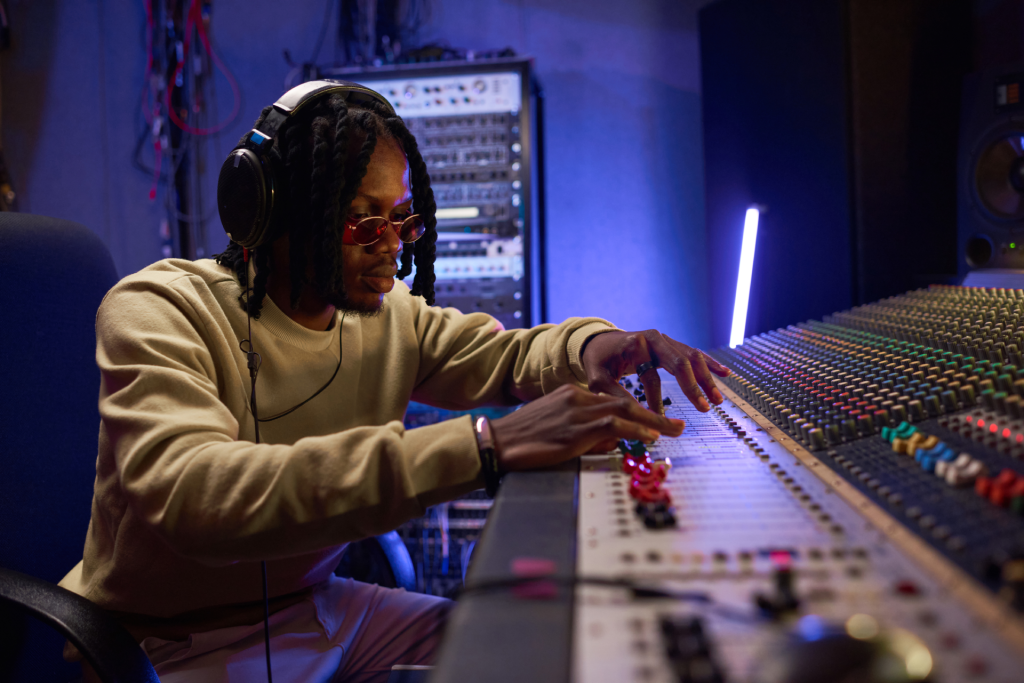
As we further investigate this dynamic intersection of music and technology, it becomes evident that the impact of apps is profound. They not only democratize music composition but also encourage collaboration and creativity among a new generation of artists. Whether you’re an enthusiastic hobbyist or an aspiring professional aiming for the charts, the essential tools required to share your voice and creativity with the world are now more accessible than ever.
As this trend continues to evolve, the future of music looks incredibly bright, filled with endless possibilities for innovation and artistic expression. The dialogue between technology and artistry promises to yield captivating results and enrich our cultural landscape in ways we are only beginning to imagine.
DISCOVER MORE: Click here to dive deeper
The New Age of Music Composition
The rise of music composition apps has ushered in a new era for amateurs seeking to explore their musicality. Gone are the days when creating music required extensive training and access to expensive equipment. Now, with just a smartphone or tablet, anyone can take their first steps into the realm of songwriting and composition. This change has transformed not only the way music is made but also who is making it. A generation of amateur musicians is breaking down barriers, leveraging technology to craft unique sounds that reflect their personal experiences.
One of the most impactful elements of these applications is their capacity to provide educational resources that enhance the user’s understanding of music theory and composition. Many apps incorporate tutorials that range from basic concepts to more complex arrangements, allowing users to learn as they create. This combination of hands-on practice with theoretical knowledge provides a comprehensive approach to music composition, fostering growth for even the most novice musicians.
Furthermore, these applications feature tools that streamline the creative process. Some of the prevalent features found in music composition apps include:
- Chord Generators: These tools assist in building chord progressions, which serve as the foundation for many songs. By suggesting various chords, they remove the intimidation that often accompanies the blank page.
- Beat Makers: Users can easily create unique beats by dragging and dropping sounds, allowing for instant gratification and immediate progress in their compositions.
- Loop Recording: This enables musicians to record their performances in layers, allowing them to add complexity to their pieces without requiring prior expertise.
- Real-time Feedback: Certain apps provide users with instantaneous feedback on their musical choices, helping them refine their skills as they compose.
Additionally, a significant advantage of music composition apps is their ability to integrate seamlessly with social media platforms. Musicians can now share their creations instantly, gaining feedback from friends, family, and even strangers worldwide. This immediate interaction not only encourages artists to continue creating but also helps them develop a following, which was once a challenging endeavor without traditional record label backing.
Ultimately, the intersection of music and technology bolstered by user-friendly applications has made it easier than ever for amateurs to dive into music composition. The creative potential is no longer restrained by knowledge or resources but is uplifted by the accessibility of tools available at one’s fingertips. The enthusiasm surrounding these innovations is palpable, suggesting that the landscape of amateur music composition will continue to flourish in the years to come.
The Role of Music Composition Apps
As technology continues to evolve, music composition apps have emerged as vital tools for amateurs eager to create their own melodies and harmonies. These apps democratize the music-making process, allowing individuals with little to no formal training to express their creative ideas. Several key features of these apps showcase how they are reshaping the landscape of amateur music composition.One of the most significant characteristics of these apps is the user-friendly interface they provide. Many apps prioritize simplicity, enabling users to navigate through various functions without feeling overwhelmed. This approach is especially beneficial for beginners who may struggle with complex software traditionally used by professional composers. Moreover, the inclusion of tutorials and interactive guides helps users grasp fundamental concepts, thereby enhancing their learning experience.Additionally, collaborative features have become increasingly prevalent in music composition apps. Amateurs can now share their creations with friends or the broader community, fostering a spirit of collaboration that was previously difficult to achieve. This connectivity not only allows for immediate feedback but also encourages the sharing of ideas, resulting in a richer musical experience. With the aid of social media integration, musicians can showcase their work to a global audience, broadening their horizons beyond local circles.
Benefits of Technology in Music Composition
The intersection of music and technology brings numerous advantages to amateur musicians. Firstly, the reduced barriers to entry mean that anyone with a smartphone or tablet can embark on their musical journey. This accessibility contributes to a diverse range of voices entering the music arena, enriching the art form and pushing boundaries further.Moreover, the ability to utilize advanced tools such as synthesizers, virtual instruments, and audio effects directly from a mobile device or computer provides amateurs with resources once reserved for studio professionals. The integration of personalized sound libraries allows users to create unique compositions that truly reflect their individual style.Finally, technological advancements in artificial intelligence are paving the way for even more innovative approaches to music composition. AI-powered suggestions can assist users in crafting melodies, harmonies, and rhythms tailored to their tastes, creating a unique partnership between human creativity and machine learning.As more individuals discover the ease and creativity afforded by music apps, the landscape of amateur music composition continues to evolve. Engaging with these tools can transform the way individuals create, collaborate, and share their musical journeys, ultimately leading to a vibrant and inclusive musical community.
| Category | Advantages |
|---|---|
| Accessibility | Allows anyone with a device to create music, reducing the barriers for entry into music creation. |
| Collaboration | Facilitates sharing and feedback, enriching the creative process through community interaction. |
The combination of accessibility and collaboration empowers a new generation of musicians, proving that the intersection of music and technology is a fertile ground for creativity and innovation.
DISCOVER MORE: Click here to learn about the power of local music
Empowering Collaboration and Community Building
One of the most exhilarating aspects of music composition apps is their ability to foster collaboration and build communities among amateur musicians. In the past, creating music often felt like a solitary endeavor, where artists were sequestered in their rooms and disconnected from the broader musical landscape. However, modern apps are changing that dynamic, allowing users to connect, collaborate, and co-create with fellow musicians across the globe.
Many platforms, such as BandLab and Soundtrap, provide integrated social features that allow users to invite others to their projects, work on tracks together in real-time, and share their final pieces with a wider audience. This democratization of music-making means that even amateurs can engage in collaborative efforts reminiscent of professional studio sessions, breaking down geographical barriers and embracing a truly global artistry.
Incorporating AI for Personalized Guidance
In recent developments, the integration of artificial intelligence (AI) within music composition apps is introducing a revolutionary aspect to the learning and creation process. AI-driven tools can analyze a user’s style, preferences, and historical choices to offer personalized recommendations and suggestions. For instance, apps like Amper Music and AIVA utilize advanced algorithms to assist users in generating unique compositions tailored to their artistic vision.
This technology not only enhances creativity but also serves as an educational tool. By analyzing existing compositions and learning patterns, users can understand the nuances of song structure, melodies, and harmonies more effectively. As a result, they are better equipped to push their creative boundaries, further diversifying the music landscape.
Accessibility and Affordability Redefined
Moreover, the democratizing effect of music composition apps can be seen in their affordability and easy accessibility. Many apps operate on a freemium model, offering basic features for free while providing premium options for those who wish to delve deeper. This allows burgeoning musicians to experiment without financial constraints, making music composition more inclusive than ever before. With apps readily available on platforms like the App Store and Google Play, it is now as simple as downloading an application to access a world of creativity.
For example, GarageBand, a staple application for iOS users, empowers individuals to produce music on their devices without the hefty price tag associated with traditional recording equipment. Features such as virtual instruments and built-in recording studios have transformed any smartphone or tablet into a powerful studio setup, opening up countless possibilities for aspiring artists.
The Future of Music Creation
As technology continues to evolve, it is clear that the future of music composition is intertwined with innovations arising from the tech world. Whether through collaboration, AI, or accessibility, amateur musicians are gaining extraordinary capabilities to express themselves and reach audiences far beyond their local communities. The opportunities presented by these advancements are not only reshaping how music is created but also how it is shared, consumed, and experienced.
This exciting convergence of music and technology invites ongoing exploration and discovery, as amateurs push the limits of their creativity with the aid of powerful applications at their fingertips. The potential for self-expression is boundless, and with each new app, the landscape of amateur music composition continues to evolve and thrive.
DISCOVER MORE: Click here to dive deeper
Conclusion
In summary, the intersection of music and technology is transforming the landscape of music composition, particularly for amateurs. The advent of accessible and user-friendly music composition apps has empowered a generation of budding musicians to unleash their creativity without the previous barriers of cost and complexity. The collaborative features inherent in platforms like BandLab and Soundtrap have not only made music creation more accessible but have also fostered vibrant communities where artists can connect and co-create across the globe.
As we delve deeper into the realm of artificial intelligence, tools that offer personalized guidance are proving invaluable, enhancing the learning process and equipping users with insights to refine their compositions. This innovative approach to music creation encourages experimentation and exploration, further enriching the music landscape.
The affordability of these applications democratizes music creation, allowing anyone with a passion to dive in and experiment, eliminating the former exclusivity of professional studios. You no longer need expensive equipment to create captivating tracks; your smartphone or tablet can suffice as a powerful studio.
Looking ahead, the ongoing evolution of music technology suggests even greater possibilities. As these tools continue to improve, amateur musicians will find themselves with unparalleled opportunities for creativity and expression. Therefore, as we witness this exciting convergence, it is vital to embrace the changes, remain curious, and explore how apps are continually shaping the future of music composition for amateurs everywhere.